Dredging is an often overlooked component of society – the majority of people don’t even realize it happens on a regular basis in the places they visit most. But what exactly are the benefits of dredging and how does dredging really work? Let’s break down these questions and more.
What does dredging mean?
Dredging is the removal of sediments and debris from the bottom of lakes, rivers, harbors, and other waterways. It is a routine maintenance procedure that is necessary to keep waterways open and navigable. Dredging can also be used to restore waterways that have become shallow. In most cases, the majority of the material is hauled off site. That being said, the material can sometimes be retrofitted to become part of the missing shoreline/pond edge (keep in mind, however, that process requires a geotextile fabric and some construction). Dredging is a vital part of keeping our waterways safe and functional.
Looking for more insights into dredging? Contact our team today.
How does dredging work?
Dredging can be done manually, with tools such as shovels, excavators, and buckets, or with large machines called dredges. The type of dredge used depends on the nature of the sediments being removed and the depth of the water. Dredging is a relatively simple process, but it can be very labor-intensive.
In shallow waters, sediment can be scooped up with a shovel, excavators, and backhoes and dumped into a waiting truck or barge.
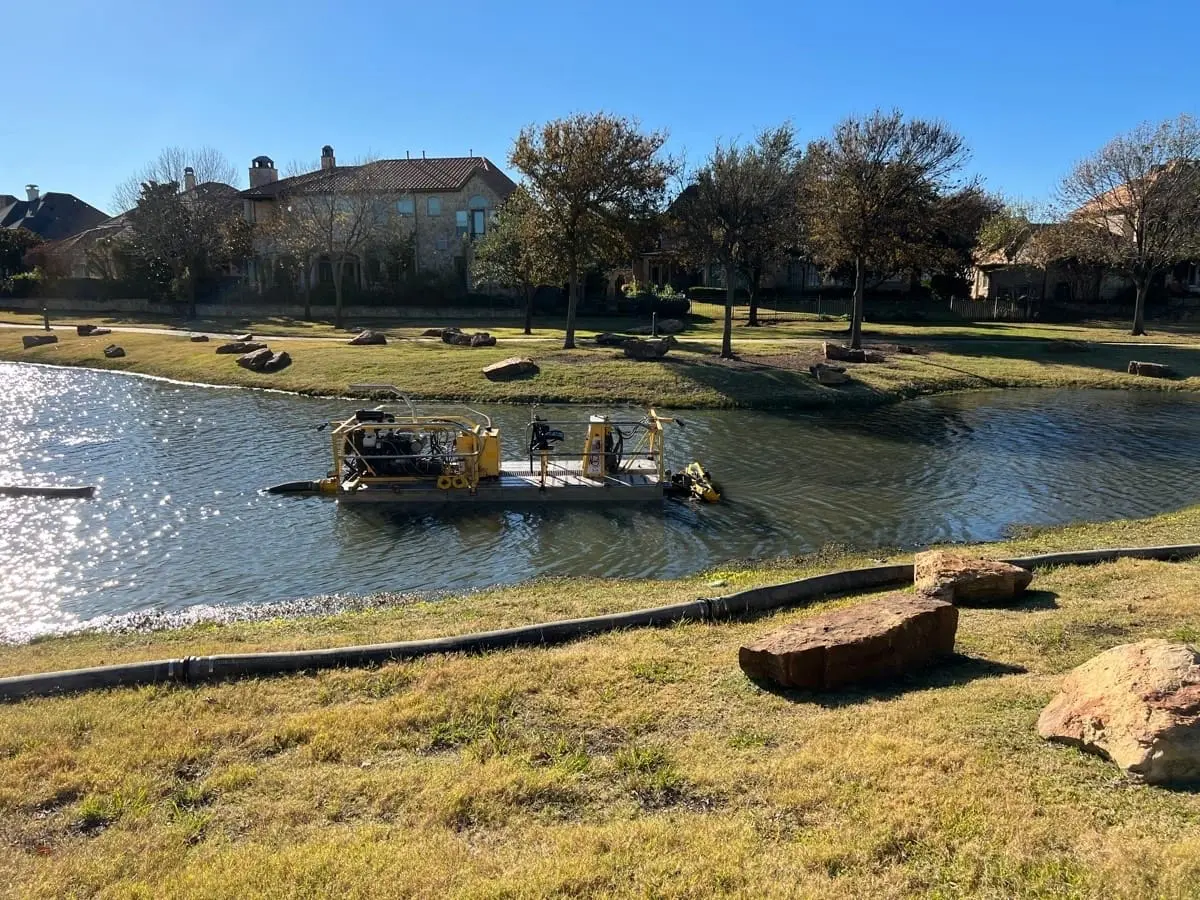
In deeper waters, truxors and dredges are used to suction up sediment and then deposit it in a holding area. The sediment is then processed and eventually disposed of in an approved location.
Dredging is an important part of maintaining many waterways and keeping them safe for navigation and recreation.
What are the benefits of dredging?
There are a number of benefits of dredging, including improved water quality and increased storage capacity. The core benefits of dredging typically include the following.
- Removing Unwanted Substances: One of the primary benefits of dredging is pollution removal. Pollution from boats, factories, and sewage treatment plants can accumulate on the bottom of water bodies, making them unsafe for swimming and fishing. Dredging helps to remove this pollution so that the water is clean and safe both for people and wildlife. In addition, dredging can also remove hazardous chemicals that have been dumped into waterways. These chemicals can be very harmful to people and animals, so it is important to remove them as soon as possible.
- Clearing Out & Making Space: The process of dredging can also improve water clarity and increase the amount of usable space in the water. In essence, dredging can increase the storage capacity of a body of water by clearing out space that would otherwise be taken up by sediment. Dredging can also help to prevent navigation hazards, as well as improve the appearance of waterways.
- Preserving Aquatic Life:Among the most important benefits of dredging is its role in preserving aquatic life. Dredging keeps the water clean and free of harmful substances that aquatic plants and animals rely on for survival. In addition, dredging can create new habitats for aquatic life by exposing submerged features (such as rocky outcrops or sandbars). By maintaining a healthy aquatic ecosystem, dredging plays an important role in preserving the diversity of life in our waterways.
In general, the benefits of dredging extend to both natural and man-made bodies of water, making it a versatile and valuable tool for water management.
See the Benefits of Dredging for Your Pond With PondMedics
A well-functioning pond or lake is a vital part of any ecosystem. Not only do they provide essential habitats for wildlife, but they also help to regulate water levels and improve water quality. However, ponds and lakes can quickly become silted up, affecting their ability to support plant and animal life. This is why it’s important to look for the signs.
Signs that a pond or lake needs to be dredged can expand to include:
- Algae Growth: Excessive algae growth can lead to water pollution and oxygen depletion, which can damage aquatic ecosystems. Algal blooms often appear as large mats or clumps of green, blue-green, or brownish-red plants on the surface of the water.
- Fish Population Decline: If the fish populations in a particular area are decreasing, it may be a sign that the bottom of the water body is in need of dredging. Sediment build-up can make it difficult for fish to find food and shelter, and it can also reduce the amount of oxygen in the water, making it difficult for fish to breathe. (Keep Reading: What fish should I stock in Texas?)
- Sediment Buildup: Sediment buildup in bodies of water can take on many different appearances, depending on the type and size of sediment particles involved. In some cases, sediment may simply accumulate on the bottom of a water body, gradually increasing over time. In other cases, sediment may be carried along by currents and deposits itself in areas where the flow slows down. This can result in the formation of sedimentary features such as sandbars, deltas, and natural dams. In extreme cases, sediment buildup can even lead to the formation of new landmasses.
If you notice any of the above signs in your pond or lake, then it may be time to call in the dredgers.
Keep Learning: When is it time to dredge?
Looking for more resources on dredging and pond maintenance?
We’ve got you covered. At PondMedics, we have decades of combined experience helping people all across the country protect and preserve their bodies of water.
FAQs About the Benefits of Dredging
1. What is the most important benefit of dredging for ponds? For most pond owners, the most immediate and impactful benefit of dredging is restoring proper depth and storage capacity. As sediment accumulates, the pond becomes shallower, water quality declines, oxygen levels drop, and aquatic weeds take over. Dredging addresses all of these issues at once by removing the built-up material and giving the pond room to function as designed.
2. How does dredging improve water quality? Dredging removes accumulated sediment, debris, and pollutants from the pond floor that can leach into the water column over time. This reduces nutrient loading, which is one of the primary drivers of algae blooms and oxygen depletion. By clearing out this material, dredging helps restore clarity, improve dissolved oxygen levels, and create a healthier environment for fish and other aquatic life.
3. How do I know when it is time to dredge my pond? Key signs include persistent algae blooms, declining fish populations, noticeably shallower water than the original design, murky water that does not clear up, and excessive aquatic weed growth. If you are seeing any of these, a professional sediment survey from a team like PondMedics and DredgeSMART can confirm how much buildup has occurred and whether dredging is the right solution for your site.