You want a vibrant, living ecosystem in your backyard pond, teeming with healthy fish. The excitement of watching them swim, feed, and interact is a significant part of the pond ownership experience. However, achieving this dream relies heavily on knowing how to stock a pond with fish correctly. It’s not just about adding fish; it’s about creating a balanced, thriving environment where your fish can flourish for years to come. PondMedics offers the expert care and guidance to ensure your stocking efforts lead to a healthy, balanced aquatic ecosystem. This blog post will delve into the critical considerations for fish stocking, the types of fish best suited for different pond goals, and how professional guidance can make all the difference in creating your ideal pond.
Why Proper Fish Stocking Matters for Your Pond
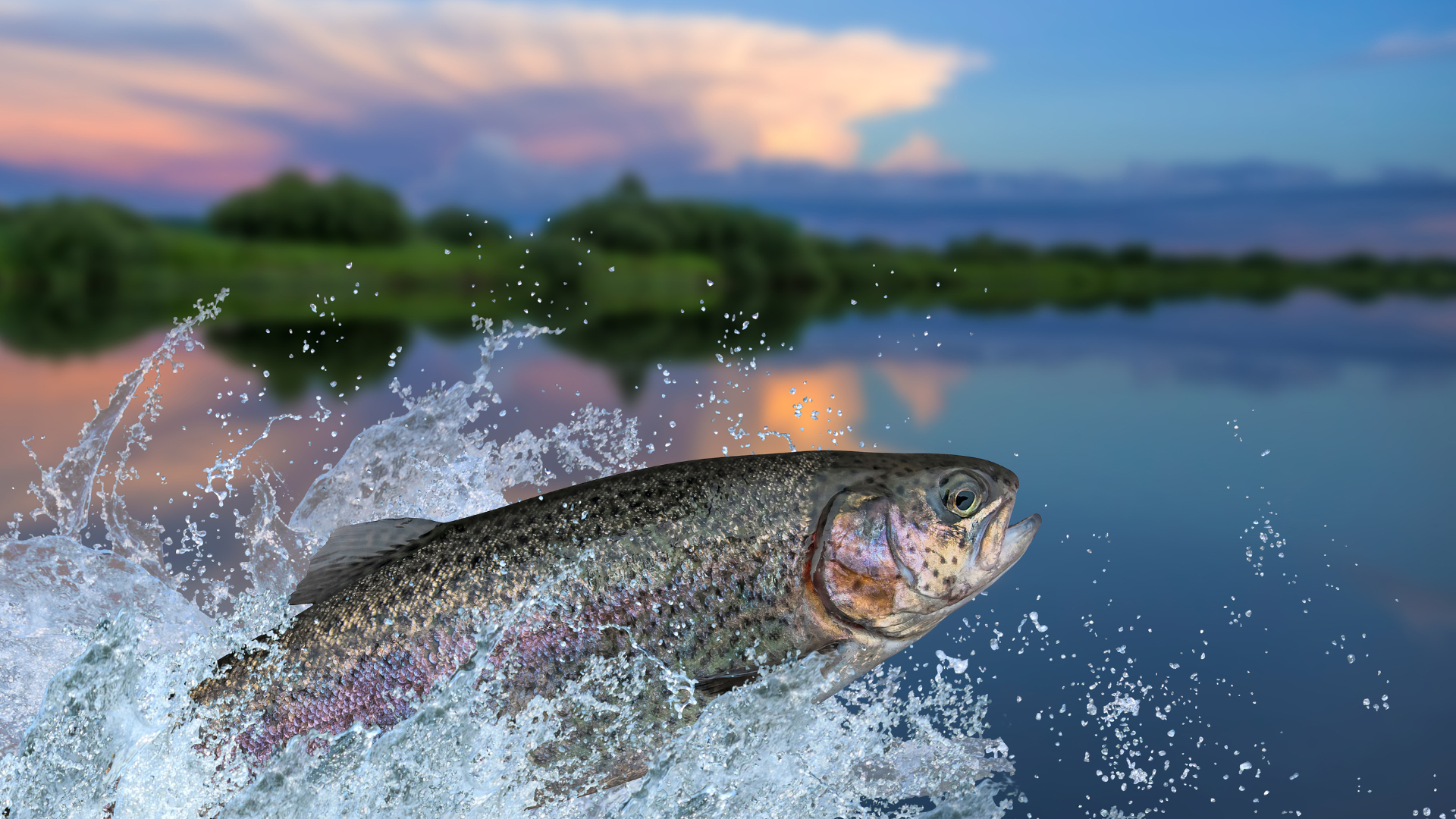
The way you stock your pond with fish profoundly impacts its overall ecological balance. Fish are an integral part of the pond’s food web, consuming insects, larvae, and sometimes even algae. However, overpopulation can quickly lead to an imbalance, stressing the fish and degrading water quality. Correct stocking prevents excessive waste production and nutrient imbalance, which can otherwise fuel nuisance algae blooms and lead to murky water.
Appropriate stocking densities are also crucial for fish health and growth. When a pond is properly stocked, fish have sufficient space, food, and oxygen, leading to healthier, faster-growing individuals. Overcrowding, conversely, can stunt growth, increase susceptibility to disease, and deplete vital resources.
Finally, your fish stocking choices should align with your pond goals. Are you looking to control mosquito populations, create a recreational fishing spot, or simply enhance the aesthetic appeal of your water feature? Different fish species serve different purposes, and understanding these roles is key to achieving your desired outcome.
Before You Stock Your Pond with Fish Key Considerations
Before you even think about how to stock a pond with fish, a thorough assessment of your pond is essential. How to stock a pond with fish: The pond’s size and depth are primary factors, directly dictating the number and types of fish it can safely support. A small, shallow ornamental pond has vastly different stocking capacities than a large, deep recreational pond.
Water quality testing is non-negotiable. Key parameters like pH, dissolved oxygen levels, ammonia, nitrites, and nitrates must be within healthy ranges before introducing any fish. Poor water quality is a leading cause of fish stress and mortality. Learn more about the essential water quality parameters for fish health. Adequate aeration and filtration systems are also critical to support fish life, especially in smaller or heavily stocked ponds. Aerators ensure sufficient oxygen, while filtration helps remove waste and keep water clear.
If you have an existing fish population, assess their health and compatibility with any new species you plan to introduce. Introducing new fish can sometimes bring disease or create competition if not managed properly. Lastly, always check local and state regulations regarding fish stocking. Some areas have restrictions on certain species to prevent the introduction of invasive non-native fish into local waterways.
Choosing the Right Species How to Stock a Pond with Fish for Specific Goals
Knowing how to stock a pond with fish means understanding which species best suit your objectives.
- For Algae and Mosquito Control: Smaller fish like mosquito fish (Gambusia affinis) and fathead minnows are excellent choices. Mosquito fish are particularly effective at consuming mosquito larvae, while fathead minnows consume algae and insect larvae.
- For Recreational Fishing: Common game fish include Largemouth Bass, Catfish, and Bluegill. Bass are predatory and help manage smaller fish populations, while bluegill are prolific and provide excellent forage for bass. Catfish are hardy bottom-dwellers. Achieving the right stocking ratios for these species is vital for a sustainable fishing environment.
- For Aesthetic Appeal: Ornamental fish like koi or goldfish are popular for their vibrant colors and docile nature. However, remember that koi can grow quite large and require significant space and robust filtration. These are typically best suited for larger, dedicated ornamental ponds.
- Native vs. Non-Native Species: Whenever possible, consider stocking native fish species. They are naturally adapted to your local climate and ecosystem, reducing the risk of introducing diseases or upsetting the natural balance. Non-native species can sometimes become invasive, outcompeting native fish or altering the pond’s ecosystem.
- For Ecological Balance: The goal is to create a balanced food chain. This often involves a mix of forage fish (like bluegill or minnows) to provide food for larger predatory fish, ensuring a healthy and self-sustaining ecosystem.
The Process How to Stock a Pond with Fish Safely
The actual process of introducing fish needs to be handled with care. Acclimating new fish is crucial to prevent shock from sudden changes in temperature and water chemistry. This typically involves floating the sealed bag of fish in your pond for 15-30 minutes to equalize temperatures, then gradually mixing pond water into the bag over another 15-30 minutes before gently releasing the fish.
The ideal time to stock fish is typically in the spring or fall when water temperatures are moderate, reducing stress on the fish. Always source healthy fish from reputable suppliers who can provide disease-free stock. Upon introduction, offer initial feeding but avoid overfeeding, which can pollute the water. Monitor your new fish closely for signs of stress or disease in the days following stocking.
PondMedics’ Expert Approach to How to Stock a Pond with Fish
At PondMedics, we take the guesswork out of how to stock a pond with fish. Our process begins with a comprehensive pond assessment, where we evaluate your pond’s size, depth, existing conditions, and water quality to determine its readiness for fish.
Based on this assessment and your specific goals, we develop customized stocking plans. We recommend the right species, quantities, and ratios to achieve your desired outcome while ensuring a healthy, balanced ecosystem. We also handle the sourcing and safe delivery of healthy fish, ensuring they are transported and introduced to your pond with minimal stress.
Our commitment doesn’t end with stocking. PondMedics offers ongoing pond management services to support water quality and fish health, ensuring your investment thrives long-term. Contact us today for expert guidance and services to ensure successful fish stocking and a truly thriving pond.