That layer of dark, gooey sediment at the bottom of your pond, often referred to as muck, can be more than just an unsightly nuisance. Over time, this accumulation of decaying leaves, fish waste, and other organic debris can lead to a host of problems, impacting water quality and the overall health of your aquatic ecosystem. Fortunately, a muck remover for ponds offers a proactive and effective solution, working naturally to break down this sludge and pave the way for a cleaner, healthier pond bottom. This blog post will delve into how these beneficial treatments work, the advantages they offer over more invasive methods, and how to choose the right muck remover for ponds to restore balance to your cherished water feature.
Understanding Pond Muck and Its Consequences
What exactly is pond muck? It’s a complex layer that forms at the bottom of ponds, primarily composed of decaying organic materials such as fallen leaves, dead algae, fish waste, and uneaten food. Over years, this material settles and decomposes anaerobically (without oxygen), creating a thick, dark sludge.
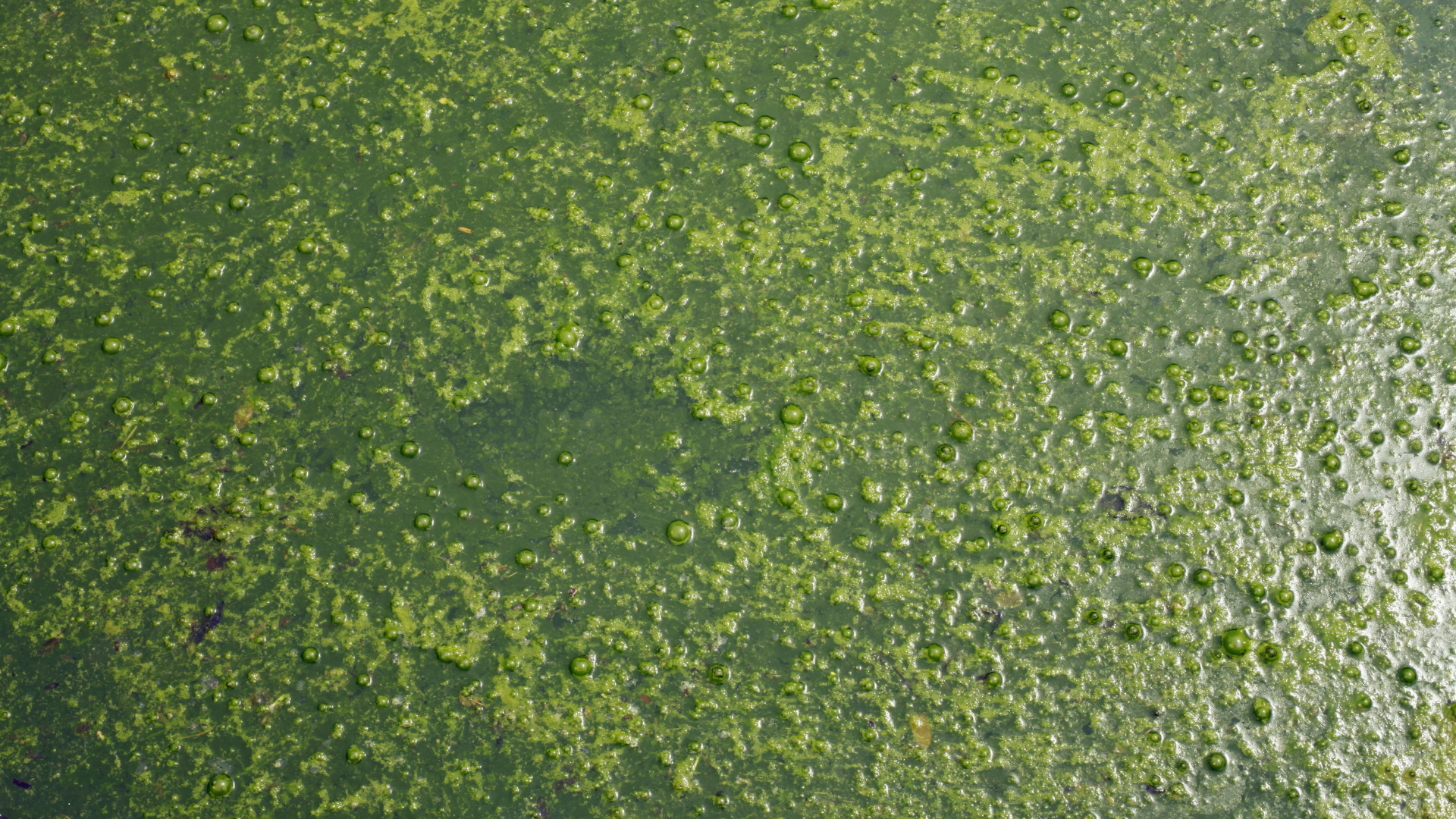
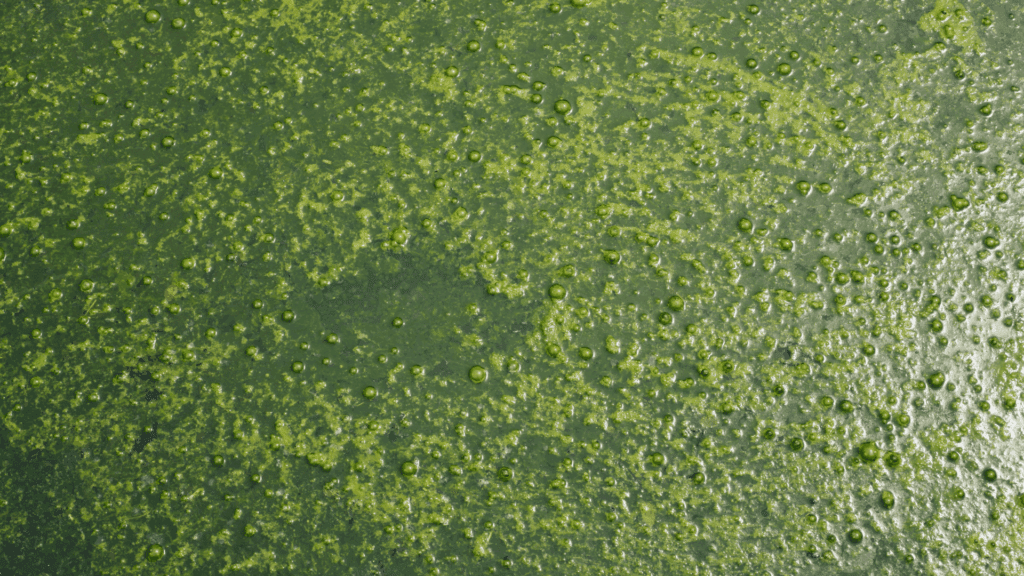
The presence of excessive muck can have several negative impacts on your pond’s health. As the organic matter decomposes, it consumes oxygen, potentially leading to reduced dissolved oxygen levels in the water. This can stress or even harm fish and other aquatic life. Furthermore, the decomposition process releases nutrients like nitrogen and phosphorus back into the water column. While some nutrients are beneficial, an overabundance can fuel excessive algae growth, leading to unsightly blooms and further oxygen depletion. Foul odors, often described as sulfurous or stagnant, are another common consequence of anaerobic decomposition in heavy muck layers. Finally, a thick layer of muck can degrade the habitat for beneficial bottom-dwelling organisms and reduce the overall depth of your pond.
While physical removal methods like dredging can address severe muck accumulation, they are often costly, disruptive to the pond ecosystem, and can require permits.
How Muck Remover for Ponds Works
A popular and often more sustainable approach to managing pond muck involves the use of a muck remover for ponds. Most of these products rely on beneficial bacteria and enzymes. These microorganisms are naturally occurring and, when introduced to the pond, actively work to break down the complex organic molecules that make up the muck layer. The enzymes act as catalysts, speeding up the decomposition process.
The reduction of muck is typically a gradual process. Unlike physical removal, which offers an immediate change, biological muck removers work over time as the bacteria colonize and break down the organic material. Consistent application, following the product instructions, is usually necessary to see noticeable results.
However, the benefits of using a muck remover for ponds accumulate over time. As the muck layer is reduced, you can expect to see improvements in water clarity as fewer organic particles are suspended. The reduction in anaerobic decomposition often leads to a significant decrease in unpleasant odors. Most importantly, by breaking down the organic matter, muck removers help to reduce nutrient buildup and improve overall oxygen levels, contributing to a healthier and more balanced pond ecosystem.
Choosing the Right Muck Remover for Your Pond
When selecting a muck remover for your pond, you’ll find different formulations available. Liquid muck removers are often easy to apply and can disperse quickly. Granular formulas may sink directly to the bottom where the muck is most concentrated, offering targeted treatment.
To choose the right product and dosage, it’s important to consider the size of your pond and the estimated amount of muck accumulation. Product labels typically provide guidelines based on pond surface area or volume. It’s generally better to start with the recommended dosage and observe the results.
A significant consideration for any pond treatment is the safety of your aquatic life. Reputable muck removers utilize beneficial bacteria and enzymes that are safe for fish, plants, and other pond inhabitants when used according to the instructions. Always read the product label carefully to ensure it’s suitable for your pond’s ecosystem.
Integrating Muck Remover with Other Pond Care Practices
While a muck remover for ponds can be a powerful tool, it often works best when integrated with other good pond care practices. Adequate aeration is particularly helpful. Aerators introduce oxygen into the water, which not only benefits fish and other aquatic life but also supports the aerobic (oxygen-dependent) bacteria in the muck remover, making them more efficient at breaking down organic matter.
Preventing excessive organic input is another key strategy. Managing runoff from surrounding areas can reduce the amount of leaves and sediment entering your pond. Regularly removing fallen leaves and other debris before they sink can also significantly decrease the accumulation of muck over time.
Regular water testing can help you monitor the overall health of your pond and assess the effectiveness of your muck removal efforts. Tracking parameters like dissolved oxygen, pH, and nutrient levels can provide valuable insights into the balance of your aquatic ecosystem.
PondMedics: Your Muck Remover for Ponds
Transforming a pond bottom burdened by layers of sludge into a healthy and thriving environment is achievable with the help of a muck remover for ponds. By harnessing the natural power of beneficial bacteria and enzymes, these treatments offer a gradual yet effective way to reduce muck, improve water quality, and create a better habitat for your pond’s inhabitants. Contact PondMedics today to learn more about selecting the right muck remover for your pond and how we can help you achieve a balanced and beautiful water feature.