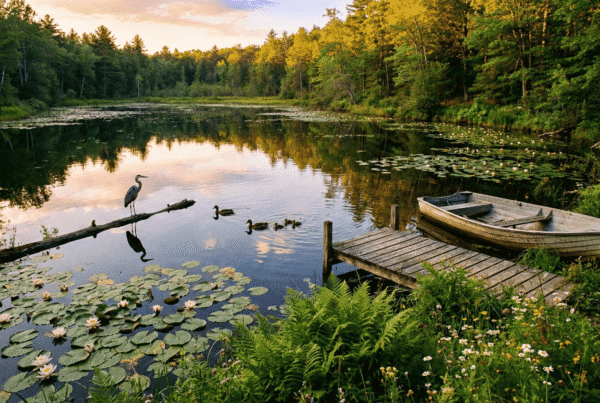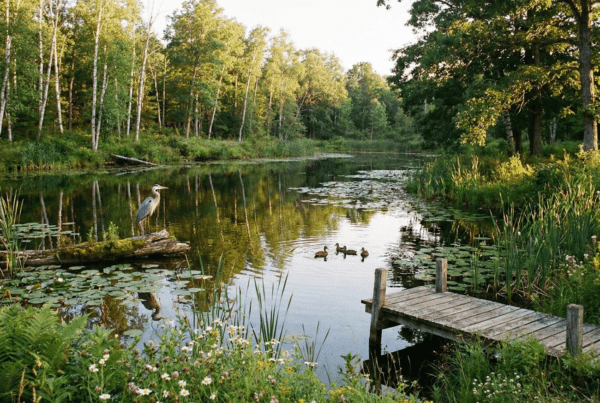
Imagine a once-vibrant lake, now showing signs of decline: murky water obscuring the depths, an overgrowth of weeds choking out other life, and a noticeable decrease in fish populations. These are often indicators that the lake is suffering from excessive sediment accumulation. Just as regular maintenance is vital for any investment, strategic intervention is sometimes necessary to restore the health and value of your aquatic asset. This is where the process to dredge a lake for optimal depth becomes essential, offering a powerful solution to revitalize the ecosystem and enhance its long-term benefits. This blog post will explore the critical reasons why lake dredging is necessary, outline the typical process involved, and highlight the significant advantages of restoring your lake’s optimal depth.
Why Dredge a Lake? Understanding the Need
Lakes, like all natural ecosystems, undergo changes over time. One of the most significant of these is the gradual accumulation of sediment on the lakebed. This sediment, composed of everything from decaying leaves and organic matter to soil erosion runoff, can have a profound impact on the health and usability of your lake. As sediment builds up, it reduces the overall depth of the lake. This shallower water can lead to increased water temperatures in the summer, which can stress or even harm fish and other aquatic life. Reduced depth also diminishes the lake’s capacity, potentially increasing the risk of flooding during heavy rainfall.
Furthermore, accumulated sediment is often rich in nutrients like phosphorus and nitrogen. While these nutrients are necessary in small amounts, excessive levels can fuel the rapid growth of algae, leading to unsightly and potentially harmful algae blooms. These blooms can reduce water clarity, block sunlight from reaching beneficial submerged plants, and deplete oxygen levels when the algae die and decompose, sometimes resulting in fish kills. Shallow, sediment-filled lakes also become less appealing and functional for recreational activities. Boating may become difficult or impossible in certain areas, fishing can decline due to poor water quality and habitat loss, and swimming may be undesirable due to murky water and excessive vegetation. Over time, the buildup of sediment can even lead to the loss of critical habitats for various fish and other aquatic organisms that rely on specific bottom substrates and water depths for survival and reproduction.
The Process to Dredge a Lake for Optimal Depth
Undertaking a project to dredge a lake requires careful planning and execution. The first step involves a thorough assessment of the lake’s current condition. This typically includes surveying the lakebed to determine the extent and depth of sediment accumulation. Sediment samples may also be collected and analyzed to understand their composition and identify any potential contaminants. Based on this assessment, professionals can determine the optimal dredging depth required to achieve the desired ecological and recreational goals for the lake.
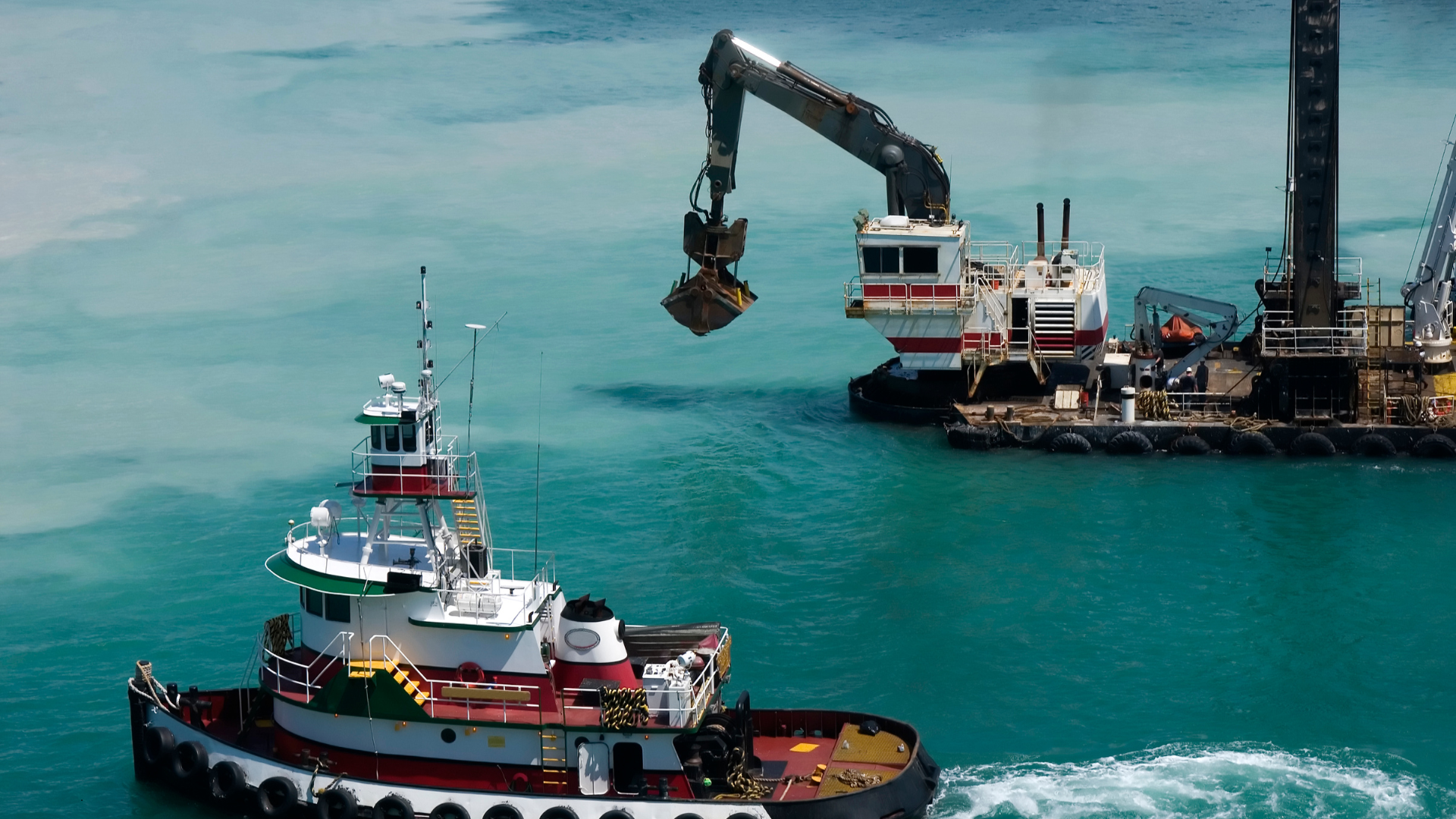
Various methods can be employed to dredge a lake, each with its own advantages and considerations. Hydraulic dredging involves using a submersible pump to create a slurry of water and sediment, which is then piped to an offsite disposal or dewatering area. This method is often preferred for larger projects and can be less disruptive to the surrounding environment. Mechanical dredging utilizes excavators or draglines to scoop sediment from the lakebed and load it onto barges or trucks for transport. This method may be more suitable for smaller, targeted dredging projects. Regardless of the method chosen, responsible sediment management and disposal are vital. Dredged material needs to be handled in accordance with local regulations, and options for beneficial reuse, such as land application or habitat creation, should be explored whenever feasible. Finally, it’s important to understand that dredge a lake projects are often subject to permitting and regulations at the local, state, and even federal levels. Ensuring compliance with these regulations is a necessary step in the planning process.
Benefits of Dredging a Lake for Optimal Depth
The decision to dredge a lake for optimal depth can yield significant benefits for the aquatic ecosystem and those who use and enjoy it. Improved water quality is often one of the most noticeable outcomes. By removing nutrient-rich sediment, the conditions that favor excessive algae growth are reduced, leading to clearer water and a healthier balance of aquatic life. Restoring the lake’s depth and removing accumulated sediment can also revitalize critical habitats for fish and other aquatic species, supporting greater biodiversity and more robust populations. For lakefront property owners and recreational users, dredging can significantly enhance opportunities for boating, fishing, and swimming, making the lake a more enjoyable and valuable asset. Furthermore, a healthy and aesthetically pleasing lake can positively impact the value of surrounding properties.
PondMedics: Your Partner to Dredge a Lake Effectively
Our experienced team specializes in conducting thorough assessments of lake conditions, developing effective and environmentally responsible dredging plans tailored to your specific needs and goals. We are committed to utilizing best practices throughout the dredging process, minimizing any potential impact on the surrounding environment. With our qualified team and specialized equipment, PondMedics can efficiently and effectively dredge a lake, helping you restore its optimal depth and revitalize your aquatic investment.
Strategically choosing to dredge a lake for optimal depth is a proactive step towards restoring its ecological health, enhancing its recreational value, and protecting your investment. By addressing the underlying issues caused by sediment accumulation, you can create a healthier, more vibrant, and more enjoyable lake for years to come. Contact PondMedics today to discuss your lake’s needs and learn how our expert assessment and dredging services can help you achieve your aquatic goals.