A beautiful pond can quickly become overrun with weeds, detracting from its aesthetic appeal and disrupting its delicate ecosystem. Excessive pond weeds can lead to a host of problems, including reduced water clarity, oxygen depletion, and habitat disruption. Effective pond weed management is essential for maintaining a healthy and balanced aquatic environment. This blog post will explore the types of pond weeds, their negative impacts, and various strategies for controlling their growth. We will also highlight how PondMedics can help you implement a comprehensive pond weed management plan to keep your pond thriving.
Understanding Pond Weeds and Their Impact
Pond weeds are a natural part of any aquatic ecosystem, but excessive growth can create significant problems. Recognizing the different types of weeds and their potential impacts is the first step in effective management. Submerged weeds grow entirely underwater and can impede water flow and reduce oxygen levels. Emergent weeds root in the pond bottom but extend above the water’s surface, often creating dense mats that block sunlight. Floating weeds, such as duckweed and water hyacinth, drift on the surface, shading the water and preventing oxygen exchange.
Excessive weed growth can lead to several negative consequences. As weeds decompose, they consume dissolved oxygen, potentially leading to oxygen depletion and fish kills. Dense weed mats can also reduce water clarity, making it difficult for sunlight to penetrate the water column. This can limit the growth of beneficial submerged plants and disrupt the natural balance of the pond. Furthermore, weeds can create dense, tangled habitats that disrupt fish spawning and feeding areas, negatively impacting the overall health of the aquatic ecosystem. Factors contributing to excessive weed growth include high nutrient levels from runoff or decaying organic matter, abundant sunlight, and shallow water depths.
Effective Pond Weed Management Strategies
Maintaining a healthy pond requires a proactive approach to weed management. Prevention is often the most effective strategy. Nutrient control is key, as excess nutrients fuel weed growth. This can be achieved through proper landscaping practices, minimizing fertilizer use, and preventing runoff from entering the pond. Proper aeration can also help to maintain a healthy oxygen balance, inhibiting the growth of certain weed species. Shoreline management, such as maintaining a buffer zone of native plants, can help to filter runoff and prevent erosion.
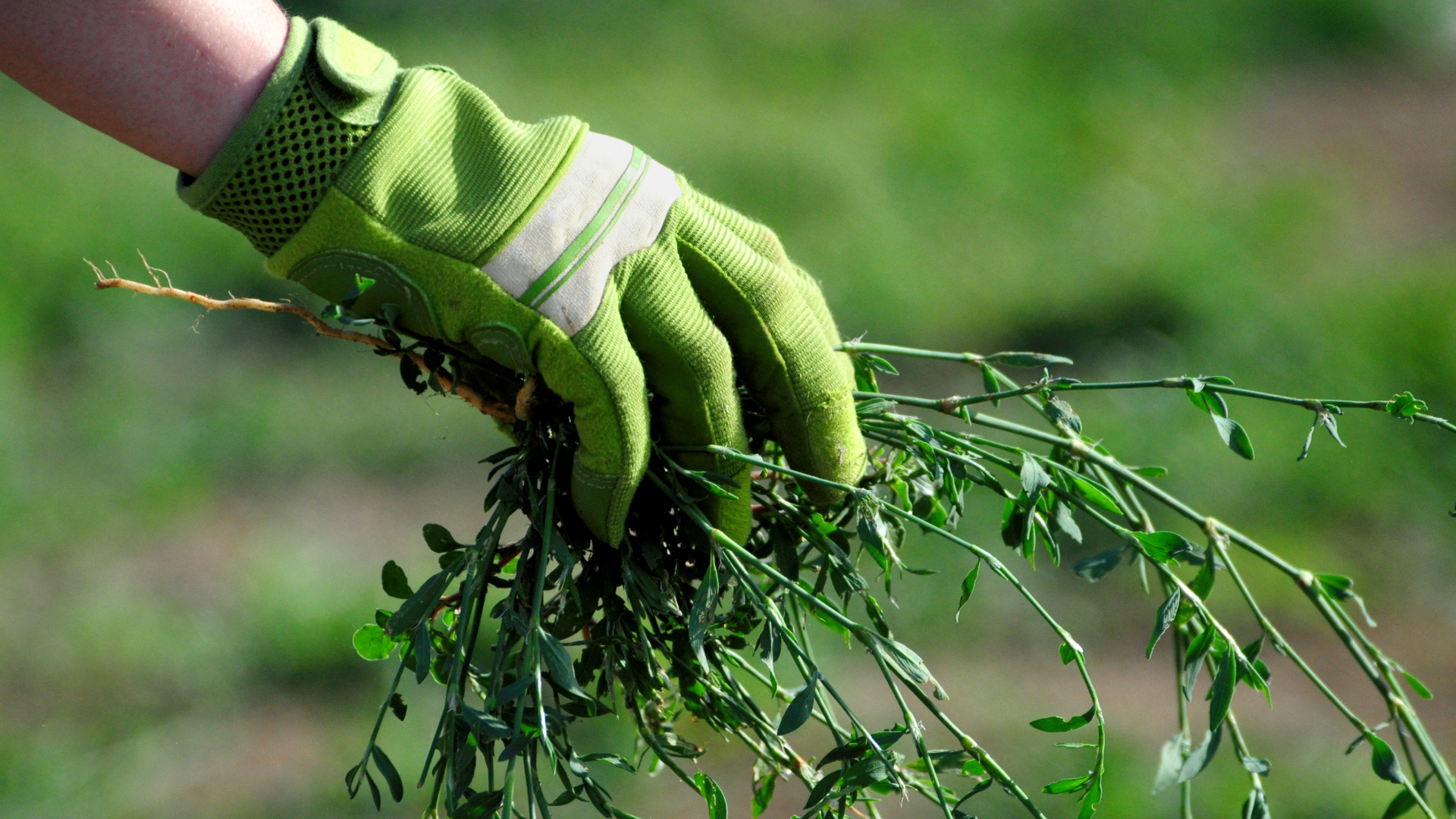
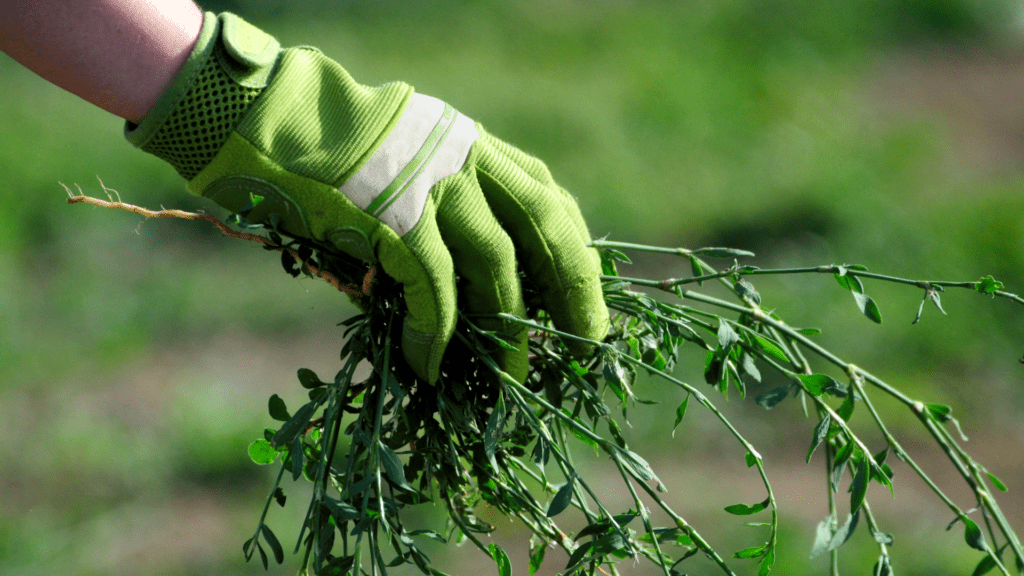
When prevention isn’t enough, mechanical removal may be necessary. Methods such as raking, cutting, and dredging can physically remove weeds from the pond. Raking and cutting are effective for smaller ponds or localized weed infestations. Dredging involves removing sediment and accumulated organic matter from the pond bottom, which can help to reduce nutrient levels and inhibit weed growth.
Biological control utilizes natural predators to manage weed populations. Herbivorous fish, such as grass carp, can consume aquatic vegetation. Insects, such as weevils, can also be used to target specific weed species. Biological control is a natural and sustainable approach, but it’s important to carefully consider the potential impacts on the pond ecosystem.
Chemical treatments, such as herbicides and algaecides, can be used to control weed growth. However, it’s important to use these products responsibly and follow all label instructions. Chemical treatments should be used as a last resort and applied by trained professionals to minimize the risk of harm to the pond ecosystem and surrounding environment.
PondMedics’ Approach to Pond Weed Management
PondMedics understands the complexities of pond weed management and can develop customized plans to address your specific needs. Our team of experts prioritizes an Integrated Pest Management (IPM) approach, which combines prevention, mechanical removal, biological control, and chemical treatments as needed. IPM strategies emphasize sustainable and environmentally friendly practices, minimizing the impact on the pond ecosystem.
We begin with a thorough assessment of your pond, identifying the types of weeds present and the factors contributing to their growth. Based on this assessment, we develop a tailored management plan that incorporates the most appropriate strategies for your pond. Our experienced team can provide expert consultation and professional weed management services, ensuring that your pond remains healthy and balanced.
Effective pond weed management is essential for maintaining a healthy and thriving aquatic environment. By implementing a combination of prevention, mechanical removal, biological control, and chemical treatments, you can control weed growth and create a balanced ecosystem. Contact PondMedics today to learn more about our expert pond weed management services.