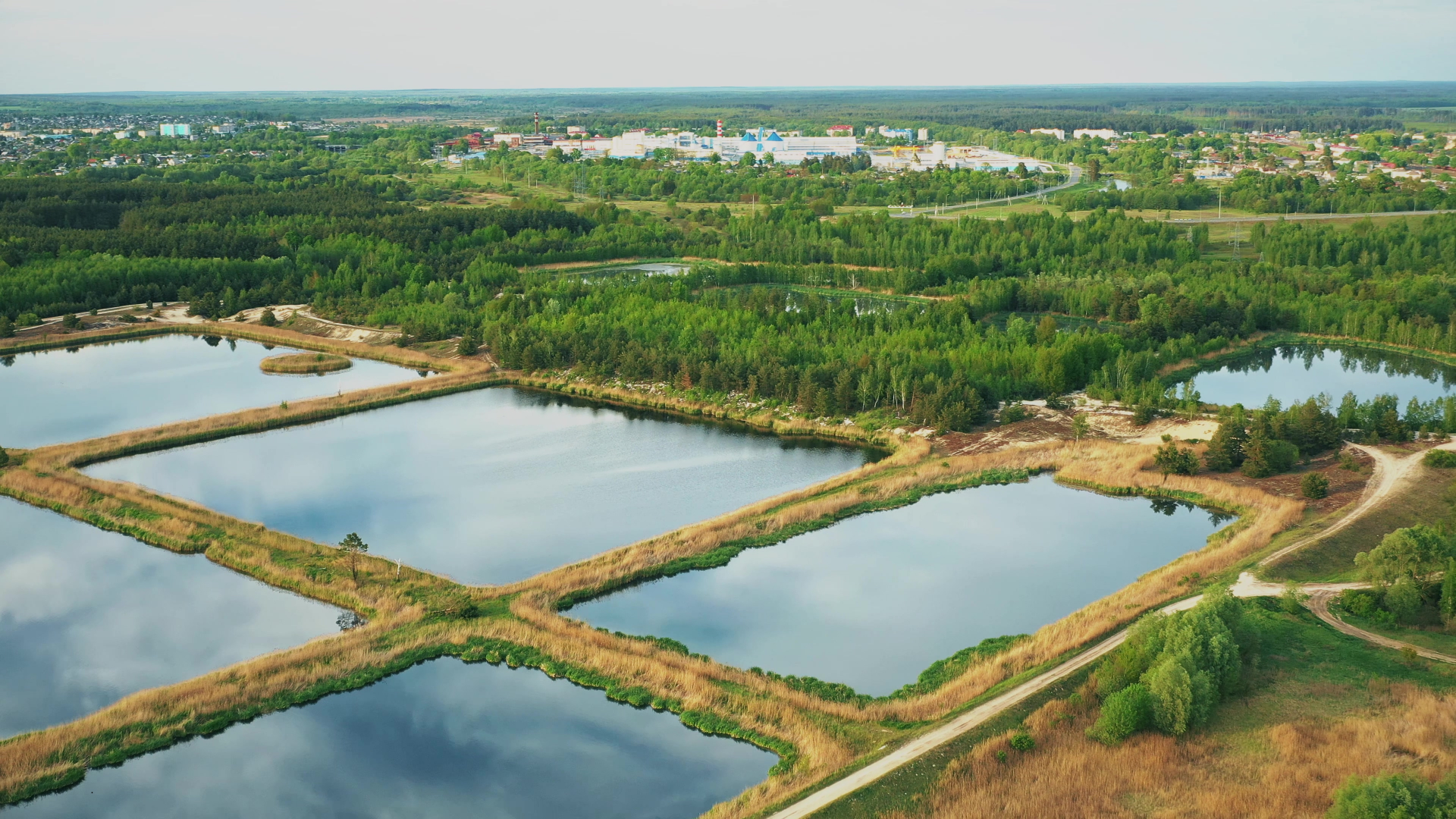
Retention areas play a vital role in protecting our water resources and mitigating the impacts of urban development. These engineered structures are designed to capture and detain stormwater runoff, reducing the volume and velocity of water flowing into local waterways. However, to effectively fulfill their intended purpose, retention areas require regular and proper maintenance. Neglecting maintenance can lead to decreased water quality, increased erosion, and reduced flood mitigation capacity.
This blog post will explore the importance of implementing innovative and effective maintenance solutions for retention areas, highlighting key considerations and best practices. We will also discuss how PondMedics can assist you in maintaining the health and function of your retention area.
The Importance of Proper Retention Area Maintenance
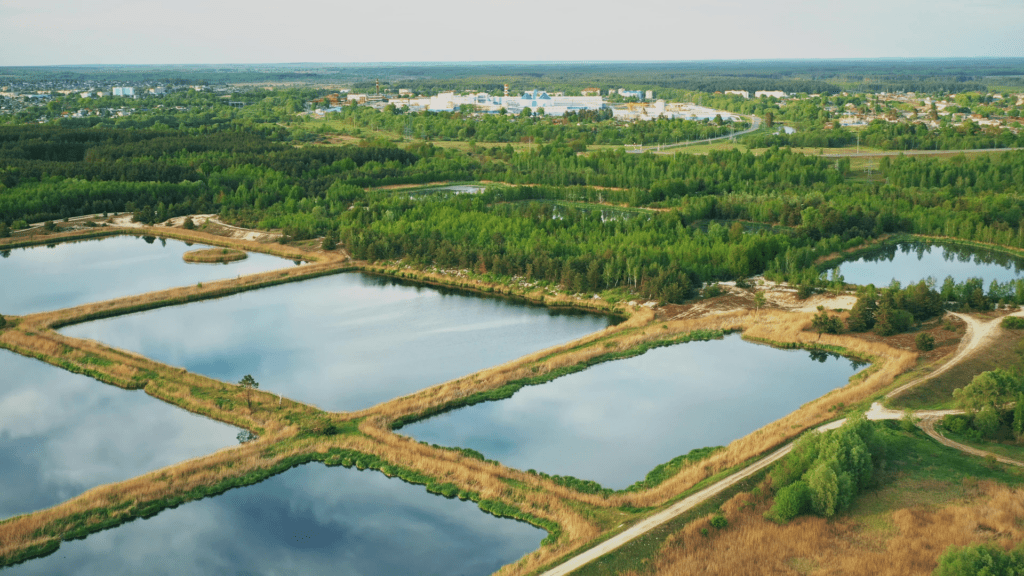
Properly maintained retention areas are essential for achieving their environmental and hydrological benefits. These engineered structures play a crucial role in protecting water quality by acting as natural filters, trapping pollutants such as sediments, nutrients, and heavy metals before they can enter local waterways. Regular maintenance ensures these filtering mechanisms remain effective. Furthermore, vegetation within a retention area helps to stabilize soil and prevent erosion.
Proper maintenance, such as removing invasive species and controlling erosion along the banks, is crucial for maintaining this protective function. Well-maintained retention areas can also effectively capture and detain stormwater runoff during heavy rains, reducing the risk of flooding downstream. Beyond their environmental benefits, a well-maintained retention area enhances the aesthetics of the surrounding landscape and provides valuable habitat for wildlife. Regular maintenance helps to preserve the ecological integrity of the area, ensuring a balanced and thriving ecosystem.
Innovative Maintenance Solutions
Implementing innovative and effective maintenance solutions is crucial for ensuring the long-term success of your retention area.
- Regular Inspections and Monitoring: Regular inspections are essential to identify and address potential issues early on. This includes monitoring water levels, checking for signs of erosion, such as bank sloughing or sediment deposits, and inspecting for debris and obstructions, such as fallen branches, accumulated litter, or blockages in the outflow pipes.
- Vegetation Management: Proper vegetation management is critical for maintaining healthy water flow and preventing blockages. This may involve removing invasive species that can outcompete native plants and disrupt the ecological balance. Controlling excessive growth of aquatic vegetation is also important, as it can impede water flow and reduce the storage capacity of the retention area. Planting native vegetation, such as grasses, shrubs, and trees, can provide valuable ecological benefits, such as stabilizing soil, improving water quality, and providing habitat for wildlife.
- Sediment Removal: Sediment accumulation can significantly reduce the storage capacity of a retention area, diminishing its effectiveness in mitigating floodwaters and improving water quality. Various methods for sediment removal can be employed, including dredging, which involves mechanically removing sediment from the bottom of the pond. The installation of sediment traps, such as baffles or filter fences, can also help to capture sediment before it enters the main body of the retention area.
- Erosion Control Measures: Implementing effective erosion control measures is essential for maintaining the integrity of the retention area. This may include installing riprap, which is a layer of rock or concrete used to protect shorelines from erosion. Planting erosion-resistant vegetation, such as deep-rooted grasses and shrubs, can also help to stabilize soil and prevent erosion. Bioengineering techniques, such as the use of live stakes and brush mattresses, can provide a more natural and sustainable approach to erosion control.
By implementing these innovative maintenance solutions, you can ensure that your retention area remains a valuable asset for your community, effectively protecting water quality, mitigating flood risks, and enhancing the local ecosystem.
PondMedics: Your Partner in Retention Area Maintenance
PondMedics offers a comprehensive range of maintenance services for retention areas. Our experienced team understands the importance of proper maintenance and employs sustainable and environmentally friendly practices.
- Comprehensive Maintenance Solutions: Our services include regular inspections, vegetation management, sediment removal, and erosion control measures tailored to the specific needs of your retention area.
- Experienced Team: Our team of professionals possesses in-depth knowledge of retention area maintenance and utilizes best management practices to ensure optimal performance.
- Commitment to Sustainability: PondMedics is committed to sustainable and environmentally friendly maintenance practices, minimizing the impact on the surrounding ecosystem.
Proper maintenance is crucial for ensuring the long-term effectiveness and environmental benefits of retention areas. By implementing innovative and effective maintenance solutions, you can protect water quality, mitigate flooding risks, and maintain a healthy and aesthetically pleasing environment.
Contact PondMedics today to learn more about our comprehensive retention area maintenance services and how we can help you protect your local waterways.