If you’re a pond owner or you manage a pond, you know that aquatic weed removal can be a challenging task. Let’s take a look at how you know when it’s time for professional aquatic weed harvesting and some tips for making the process as smooth and successful as possible.
What is Aquatic Weed Removal and Why It’s Necessary
Aquatic weed removal is the process of taking away plants that grow in bodies of water like ponds, lakes, and rivers. These weeds can take over an area if they aren’t kept in check. Excessive vegetation makes it difficult for fish and other creatures to live in the water.
Types of Aquatic Weeds
Aquatic weeds are weeds that grow and live in water. Some common species are milfoil, hydrilla, and fanwort.
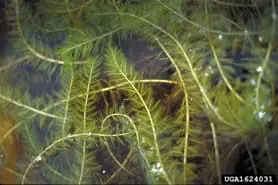
Milfoil
Milfoil looks like a fern and usually grows in bunches. Its leaves are soft and wispy, like a feather.
Hydrilla
Hydrilla looks a little like rosemary, but grows in the water instead of on land.
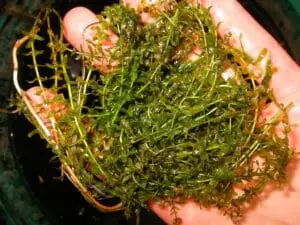
Fanwort
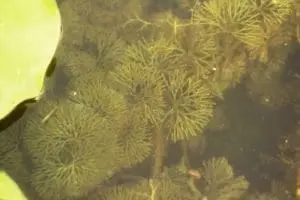
Fanwort has green leaves that look like fans or umbrellas. The stems can be long and thin, up to 10 feet long.
Benefits of Aquatic Weed Removal
- Removing weeds from your water helps keep waterways clean. It prevents weeds from blocking the water and making it difficult to swim or fish.
- Reducing the presence of aquatic weeds can also improve the water quality by reducing pollutants like fertilizer and pesticides that may be stuck in them.
- Aquatic weed removal can also help to protect native plants and animals that live in the water from being overcrowded or smothered by invasive species of plants.
Methods and Cost of Aquatic Weed Removal
There are several methods for removing aquatic weeds. This includes mechanical removal with a rake or harvester, chemical treatment with herbicides, and biological control with native predators such as fish or beetles.
Mechanical Removal
Mechanical removal is usually the most effective. It requires specialized equipment and an experienced operator who understands how to use it correctly.
Chemical Treatments
Chemical treatments can be less expensive than mechanical removal. However, it requires careful water quality monitoring to ensure no harm to non-target organisms.
Biological Control
Biological control is often inexpensive compared to other methods. It involves using natural predators that don’t need to be purchased or replaced frequently. However, this approach (used alone) can take longer to deliver results.
The cost of aquatic weed removal depends on the type and size of the weeds, as well as the amount and complexity of the job. Professional weed control is appropriate for ponds of all sizes since it can address current weed overgrowth and slow the rate of regrowth.
Choosing the Right Aquatic Weed Removal Service
There are several factors to consider before selecting a service, such as the type of aquatic weeds that need to be removed, the size of the body of water, and whether there is a local professional available to help.
Determine what aquatic weeds you have and if they require specialized removal methods. If you’re unsure how to identify the species, take photos and consult with an aquatic weed removal specialist.
Different varieties of aquatic weeds require different control strategies and products. Check with local pond maintenance providers to see who has expertise in dealing with the particular type of weed infesting your pond.
Keep in mind that it may be illegal to treat some species with certain herbicides or other chemical treatments. Ensure you have an expert opinion on appropriate weed killing methods before proceeding.
Be sure to ask your local pond maintenance providers about their experience level in treating water and helping it remain a healthy balance. Also, ask for references from customers who have used them. Experienced providers will ensure that all necessary steps are taken for efficient and effective results without unduly damaging surrounding vegetation or wildlife.
Note: Your weed removal specialist should have access to and know how to use weed harvesting equipment such as a Truxor machine.
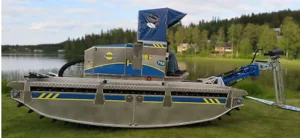
When you take these factors into account in choosing an aquatic weed removal service, you’ll have peace of mind knowing that your problem is being dealt with effectively while protecting the environment.
Note: A DIY route to weed removal would be using a hand rake or a net to pull the plants out of the water. However, this is very time consuming, not highly effective, and potentially dangerous if you fall in the water from the bank or from a boat.
Protect Your Pond With the Right Aquatic Weed Removal Plan
At PondMedics, we provide management and consulting services to clients involved in managing and renovating surface water resources such as ponds and lakes.
If you have questions about aquatic weed removal, please get in touch with us to see how we can help!
FAQs About Aquatic Weed Removal
1. How do I know if my pond needs professional aquatic weed removal? If aquatic weeds are covering more than a third of your pond’s surface, blocking inlets or outlets, or making it difficult for fish to thrive, it is time to bring in a professional. Invasive species like hydrilla and milfoil spread quickly and are difficult to control without specialized equipment. The sooner you act, the easier and less costly the removal process tends to be.
2. What is the most effective aquatic weed removal method? Mechanical removal using equipment like a Truxor machine is generally the most effective method, particularly for large or dense infestations. It physically removes the vegetation rather than simply killing it in place, which reduces the risk of nutrient release back into the water. For the best long-term results, mechanical removal is often combined with targeted herbicide treatments to address regrowth and root systems.
3. Will aquatic weeds come back after removal? In most cases, yes – especially if the underlying conditions that allowed weeds to thrive, such as excess nutrients or shallow water depth, are not addressed. A one-time removal is rarely a permanent solution. Ongoing aquatic weed removal service and monitoring, combined with good pond management practices, is the most reliable way to keep invasive vegetation from returning season after season.