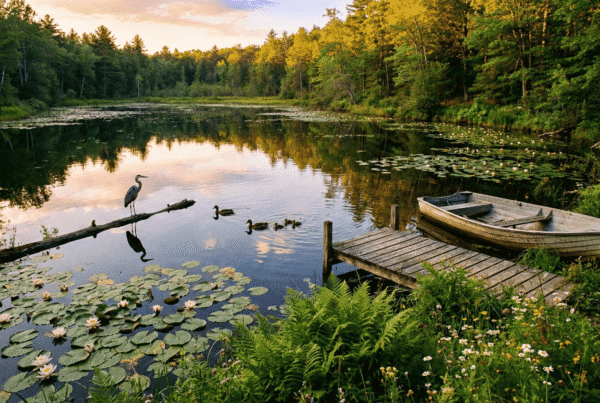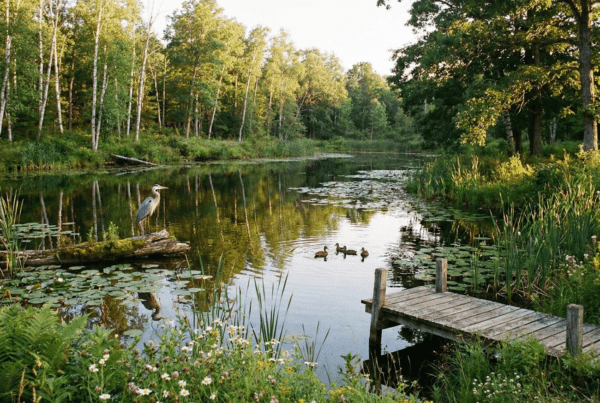
If you’re responsible for managing a municipal pond, stormwater retention basin, or a public green space with aquatic features, how you stock pond fish isn’t just a biological decision – it’s an ecological and public-facing one. You’re creating a sustainable environment that supports water quality, wildlife diversity, and, ideally, public enjoyment.
The good news? With the right strategy, stocking a pond doesn’t need to be complicated or expensive – but it does need to be intentional.
Whether your goal is ecosystem balance, mosquito control, public fishing, or aesthetic enhancement, here’s how to stock pond fish properly for fast growth and long-term harmony.
Start With a Site-Specific Pond Assessment
Before introducing any fish, assess the pond’s physical and ecological characteristics. This isn’t optional—it’s foundational. Consider the surface area and average depth, as these determine temperature stability and carrying capacity. Dissolved oxygen (DO) levels, especially in the early morning hours when DO is typically lowest, are critical. Vegetation, shelter, and water flow also play key roles in influencing spawning, feeding, and fish survival. If you’re part of a municipal agency or institutional team, it’s worth consulting a fisheries biologist or local extension agent to establish a formal baseline. Pro tip: Many states offer free or low-cost water testing and stocking consultations through their agriculture or wildlife agencies.
Choose Fish Species Based on Function and Pond Type
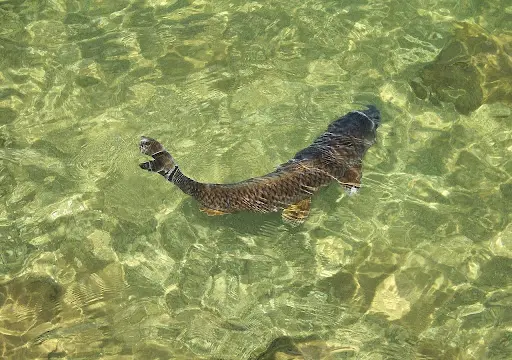
There is no one-size-fits-all fish mix. The best fish to stock a pond depend on your goals, whether for stormwater control, ecological balance, or public fishing. For warmwater institutional ponds over 1 acre, proven combinations include bluegill or redear sunfish, stocked at 500–1,000 per acre in the fall, which provide forage and insect control. Largemouth bass can be added in the spring at a rate of 50 per acre to help regulate bluegill populations. Channel catfish, stocked at 50–100 per acre, are great for bottom feeding and recreational fishing. Triploid grass carp, if permitted, are ideal for vegetation control but must be stocked carefully and only with state approval. Pro tip: Avoid koi, goldfish, or common carp, as these species are unsuitable for functional ponds and can degrade water quality by stirring up sediment.
Stock Pond Fish in Phases, Not All at Once
Timing is crucial when stocking fish. It should occur in seasonal phases to allow forage species to establish before introducing predators. In the fall or early spring, begin with forage fish like bluegill and redear sunfish to give them time to spawn. In late spring to early summer, introduce predator species like largemouth bass once the forage populations are active. Mid to late summer is an optional window to add catfish, especially in systems with supplemental feeding. Stock only when water temperatures are stable—between 50°F and 75°F—and avoid extreme weather conditions.
Understand Capacity, Feeding, and Aeration Needs
Overstocking or overfeeding is tempting, especially in high-visibility ponds, but it can lead to oxygen depletion and algae blooms. Most ponds without aeration should not exceed 1,000 pounds of fish per acre. If using floating fish feed, limit feeding unless you’ve installed aeration to support oxygen levels. Aerators are strongly recommended in larger or deeper ponds as they reduce stratification and improve overall water quality. Each pond is unique, so monitor oxygen levels, temperature, and fish behavior routinely before increasing feed or fish density.
Monitor, Harvest, and Adjust as Needed
Stocking fish doesn’t mean the work is done. Ongoing monitoring prevents overpopulation, stunting, or oxygen crashes. Basic tools like catch logs, weight records, and annual seine or electrofishing surveys (if available) are helpful. Visual checks for fish activity, stress, or leftover floating feed can also provide valuable insights. Harvest targets should be based on population data, not guesswork. For example, you might remove 20–25 pounds of bass and 30–40 pounds of bluegill per acre per year—but only if population surveys support it.
Fish don’t thrive in isolation. Habitat quality directly affects spawning success, predator-prey balance, and nutrient cycling. Maintain a mix of submerged structures and aquatic vegetation, but don’t aim for a specific percentage—evaluate plant cover in terms o f habitat and water flow. Establish shoreline buffers of native vegetation to reduce nutrient runoff, stabilize banks, improve water quality, and limit algae blooms. In institutional settings, where runoff from roads or lawns is common, these natural buffers are among the best tools available.
Follow All Regulations for Public or Stormwater Ponds
If you’re managing a stormwater or public-use pond, legal compliance is critical. Regulations affect which species you can stock and how the pond can be used. Some states require permits for grass carp or bass introductions, while stormwater ponds may have restrictions on public fishing, swimming, or boating. Additionally, contaminant accumulation from runoff or adjacent land use may trigger fish consumption advisories, even in ponds that appear pristine. Always check state-level regulations before stocking and maintain clear signage if the pond is accessible to the public.
A Smarter Way to Stock Pond Fish
To stock pond fish effectively in an institutional setting is to manage a living system. It takes planning, patience, and a commitment to site-specific decisions – not guesswork or outdated stocking tables.
Work with experts. Track your results. Adjust based on real data. Whether your goal is ecological balance, clean water quality, or public benefit, the right fish stocking strategy helps your pond thrive for the long haul.
Read more: