What You Should Know about Pond Algae Control
Ponds are serene and beautiful aquatic environments that provide a habitat for various plants, animals, and microorganisms. However, the presence of excessive algae can disrupt the delicate balance of a pond ecosystem and carry significant consequences. In this blog post, we will explore the different types of algae, effective pond algae control methods, preventive measures, and the importance of maintaining a balanced ecosystem.
Types of Pond Algae
Algae come in various forms, each with its own characteristics and impact on the pond ecosystem. Understanding the different types is essential for effective pond algae control.
Green Algae
Green algae are the most common type found in ponds. They create a green, murky appearance and thrive in nutrient-rich waters. Overgrowth can deplete oxygen levels, harm fish and other aquatic organisms, and negatively impact the aesthetics of the ecosystem.
Blue-Green Algae (Cyanobacteria)
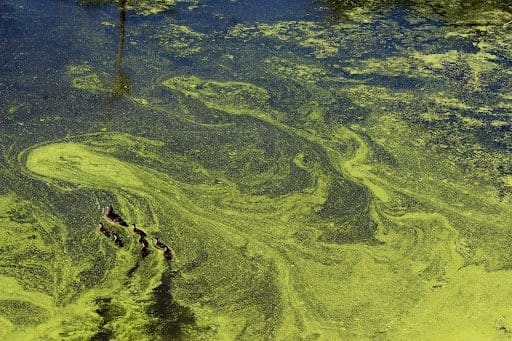
Blue-green algae, or cyanobacteria, can form thick, floating mats on the water’s surface. These algae produce toxins that can be harmful to humans, animals, and plants. Cyanobacterial blooms are often associated with excessive nutrients and poor water quality.
Filamentous Algae
Filamentous algae appear as long, stringy masses that resemble green or brown mats. They can quickly cover the water’s surface, impede sunlight penetration, and disrupt the natural balance of the ecosystem.
Understanding Pond Algae Control Methods
Physical Methods
Physical methods involve manual removal or mechanical control techniques to manage growth.
Manual Removal and Mechanical Control Techniques:
Removing algae by hand or using rakes and nets can be effective for small-scale pond algae control. It is important to remove as much as possible, including the roots or filaments to prevent regrowth.
Pond Dyes and Shading:
Pond dyes and shading are methods that limit sunlight penetration into the pond, reducing the availability of light necessary for algae growth. This approach can be used in conjunction with other control methods for improved effectiveness.
Chemical Treatments for Pond Algae Control
Chemical treatments, such as algaecides, can be used to control algae growth. Algaecides are chemicals designed to kill or inhibit the growth. They work by disrupting cellular functions or inhibiting photosynthesis. It is important to choose the right algaecide for specific species and follow the instructions carefully to avoid harming other organisms or causing water quality issues.
When using chemical treatments, it is also crucial to consider potential impacts on water quality, fish, plants, and other non-target organisms. It is important to consult with professionals or follow local regulations before using algaecides.
Biological Control for Pond Algae
Biological control methods utilize natural mechanisms to reduce algae growth and maintain a healthy pond ecosystem.
Beneficial Bacteria and Enzymes:
Beneficial bacteria and enzymes can be introduced to ponds to help break down organic matter, reduce nutrient availability, and control the algae. They work in harmony with the ecosystem and provide long-term control.
Aquatic Plants and Algae-Eating Organisms:
Aquatic plants play a vital role in maintaining a balanced ecosystem. They compete with algae for nutrients and sunlight, helping to control their growth. Additionally, introducing algae-eating organisms such as snails, tadpoles, or certain fish species can help naturally control algae populations.
Preventing Algae Overgrowth
Pond algae control is crucial for long-term management and maintaining a healthy pond ecosystem.
Nutrient Management
Nutrients, particularly nitrogen and phosphorus, fuel algae growth. Implementing strategies to reduce nutrient availability, such as limiting fertilizer use near the ecosystem, managing runoff, and controlling the inflow of external nutrient sources, can help prevent excessive growth.
Pond Maintenance Practices:
Regular maintenance practices are essential for algae control.
- Regular maintenance practices are essential for pond algae control.
Regularly testing the water quality parameters and monitoring nutrient levels can provide insights into the pond’s health and enable proactive measures to prevent algae growth.
- Proper Aeration and Circulation:
Adequate aeration and circulation help maintain oxygen levels in the pond, discourage stagnant water conditions, and prevent excessive nutrient buildup that can promote growth.
- Maintenance of Healthy Aquatic Plant Populations:
Maintaining a diverse and healthy population of aquatic plants can compete with algae for nutrients and help keep their growth in check.
Balancing Algae Control with Pond Ecology
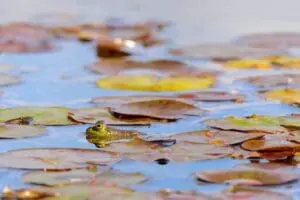 Maintaining a balanced ecosystem is vital when implementing pond algae control measures. A balanced ecosystem supports diverse organisms and contributes to overall health. It is crucial to consider the needs of other beneficial organisms while controlling algae. Careful selection of methods is necessary to avoid harming beneficial organisms, fish, wildlife, and plants. By preserving habitats for beneficial insects, amphibians, and wildlife, a thriving ecosystem can be sustained.
However, it is essential to be aware of the potential impacts of excessive control measures. Excessive use of chemical treatments or aggressive physical removal methods can unintentionally degrade water quality or disrupt ecological processes. It is crucial to assess the potential risks and prioritize sustainable and environmentally friendly approaches. Striking a balance between effective pond algae control and maintaining the pond’s ecological integrity is the key to achieving a healthy and harmonious pond ecosystem.
A Balanced Approach to Pond Algae Control
Managing algae is crucial for maintaining a healthy and visually appealing ecosystem. If you’re facing specific challenges, reach out to PondMedics. With a balanced approach to algae control and a commitment to preserving the pond’s ecology, you can enjoy a beautiful and thriving pond environment for years to come.
FAQs About Pond Algae Control
1. What causes algae to grow so quickly in a pond? Algae growth accelerates when a pond has high nutrient levels – particularly nitrogen and phosphorus – combined with warm temperatures and plenty of sunlight. Common nutrient sources include fertilizer runoff from nearby lawns, overfeeding fish, and decomposing organic matter on the pond bottom. Addressing those nutrient inputs is one of the most effective long-term pond algae control strategies available.
2. Is it safe to use algaecides in a pond with fish? Some algaecides are formulated to be fish-safe when applied correctly, but the key is choosing the right product for the specific algae species present and following dosage instructions carefully. Overuse or incorrect application can harm fish and disrupt water quality. When in doubt, consulting with a pond management professional before applying any chemical treatment is always the safer route.
3. Can aquatic plants really help with pond algae control? Yes. Aquatic plants compete directly with algae for the nutrients and sunlight they both need to grow. A healthy, diverse plant population can significantly reduce the conditions that allow algae to take over. Combined with proper aeration, nutrient management, and biological treatments, incorporating aquatic plants is one of the most sustainable and ecosystem-friendly approaches to pond algae control.