Dredging is an essential part of many water management plans. It helps remove any accumulated silt or sediment that can cause erosion and other problems. Choosing the right dredging services is essential if you want a successful outcome for your project.Qualified and experienced dredging contractors can help protect the environment and shorelines while providing a long-term solution to sedimentation issues.
Risks Involved in Dredging
Be sure to select a contractor that has experience, a positive track record, keeps you in control of the project, and understands and minimizes the risks involved in dredging. These include.
Physical Risks
Physical risks include changes to the water current, the creation of turbidity, and damage to aquatic habitats. The right dredging services provider should have the experience and knowledge to minimize these risks using appropriate techniques and tools.
Chemical Risks
Chemical risks include the release of pollutants and contaminants into the water. Choosing a dredging service that follows strict environmental regulations and has a track record of safe and responsible operations is essential.
Biological Risks
Biological risks include:
The disruption of natural habitats.
The introduction of invasive species.
The potential spread of disease.
A well-designed dredging services provider should create a plan to minimize these risks, such as avoiding sensitive areas or using equipment that prevents the spread of invasive species.
Cultural Risks
Cultural risks include the potential damage to archaeological or historic sites. The right dredging service should have the knowledge and expertise to recognize and protect these sites and comply with local regulations and procedures.
Get Help with Creating an RFP and Selecting Dredging Services
At PondMedics we can simplify your dredging project. Trent Lewis, Chief Visionary Officer, PondMedics and dredgeSMART™, says, “We’re able to create plans that allow you to go out to bid, and you don’t get renditions of six different opinions from contractors.”
Unlike some contracting companies that have no in-house engineering, biological, and environmental experts, the dredgeSMART™ team guides clients on how to make the right decisions in selecting a contractor. Lewis states, “We deliver the success, and we keep the client in control of their project. Because without that information, they’re completely dependent and relying upon the dredging contractor and may not have the outcomes they want.”
Research Potential Dredging Services Providers
Here are some areas to look into when researching dredging companies.
Experience
Experience and expertise are vital criteria when selecting dredging services. Look for a company with established experience in dredging projects of the same type and size as yours.
Equipment
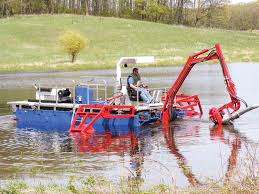
Explore whether the dredging services provider has all of the necessary tools and machines to complete your project, including any specialized equipment needed.Ensure that the company has experience with the latest technologies to ensure your project will be completed as efficiently and cost-effectively as possible.
Safety
Ask for references from previous customers and check the company’s safety records, including any incidents, accidents, or litigation related to past projects.
Cost
Evaluating cost and pricing models when selecting dredging services is essential. Obtain proposals from multiple companies to compare prices and services offered.
Risk
Consider the company’s ability to adhere to the Request for Proposal (RFP) specifications and reduce risk. The company should thoroughly understand the project scope, including any applicable regulations or standards that must be met.
Evaluate Proposals for Dredging Services
When looking for a proposal from a dredging service, consider the scope of work that will be completed. The proposal should include:
Information on the type of dredging to be performed.
Any material removal and disposal stipulations.
A clear timeline and schedule for completion.
Pricing terms.
Any post-dredging maintenance tasks.
How a project will be determined to be successfully completed.
Lewis explains how PondMedics and dredgeSMART™ handle proposals, “When the dredging contractor bids come in, we can review those and ensure they match the requirements in the RFP. We can do bid tabulations and help with contractor selection. We can also be project liaisons on site so that the client doesn’t have to manage the contractor. Instead, we’re making sure that the contractors execute correctly on the plans they are provided.”
The Right Dredging Services Partner Makes All the Difference
PondMedics and dredgeSMART™ are ready to help you with your dredging projects in whatever capacity you require. Lewis states, “At dredgeSMART, we can do a design dredge project. We’ve got in-house teams that can handle many projects. Or, we can just do the design phase and help our clients get bids.” Click here to contact us.
FAQs About Dredging Services
1. How do I know if my pond or lake needs dredging? The most common signs are visibly shallower water than the original design, reduced detention capacity after storms, increased frequency of flooding, and dense aquatic weed growth in areas that were previously open water. A formal sediment survey is the most reliable way to confirm how much accumulation has occurred and whether dredging services are warranted. PondMedics and DredgeSMART can help assess your site and determine the right scope of work.
2. What should a dredging services proposal include? A thorough proposal should cover the type of dredging to be performed, material removal and disposal methods, a clear project timeline, pricing terms, any post-dredging maintenance requirements, and the criteria used to determine project completion. If a proposal is vague on any of these points, that is a signal to ask more questions before moving forward.
3. What is the benefit of using a consulting firm alongside dredging contractors? A consulting firm like PondMedics and DredgeSMART provides independent oversight that protects your interests throughout the project. They help develop the RFP, review contractor bids, verify that proposals meet project requirements, and serve as on-site liaisons during construction. This keeps you in control of the project and reduces the risk of cost overruns, scope gaps, or contractor misalignment.