Stagnant pond water is rarely just a visual problem. What is it really telling you? In most cases, it is telling you that movement has slowed, oxygen is not being distributed well, and your pond is starting to shift toward algae, odor, mosquito pressure, and long-term performance issues. In Dallas, Fort Worth, and across North Texas, those problems can accelerate quickly because hot weather and nutrient-rich runoff put extra stress on already struggling ponds.
At PondMedics, we do not treat stagnant water like a cosmetic nuisance. We treat it like a circulation problem with a cause behind it. That is the difference between temporarily making a pond look better and actually restoring healthy pond circulation in a way that lasts. As a Dallas/Fort Worth-based pond, lake, and surface water resource firm serving DFW and North Texas, we are built to solve exactly this kind of root-cause issue through our Pond Issues service, with Fountain Freedom, Aquatic Weeds, and DredgeSMART supporting the solution when needed.
What Causes Stagnant Pond Water?
Stagnant pond water usually develops when circulation slows down enough that the pond can no longer mix oxygen, move nutrients, and break down organic buildup efficiently. Sometimes that starts with inadequate aeration or missing surface movement. Sometimes it starts when organic debris, decaying algae, and nutrient accumulation begin consuming oxygen faster than the pond can recover. PondMedics notes that poor circulation promotes stagnation, harmful bacteria growth, and reduced oxygen, while EPA explains that excess nutrients can trigger algae blooms that eventually consume oxygen as they die off.
In North Texas, another common cause is overgrowth. Thick algae mats or aquatic weeds can choke off movement, trap nutrients, and create stagnant zones that feel isolated from the rest of the pond. Our own Aquatic Weeds materials make the point clearly: unmanaged plant and algae growth can overwhelm a pond’s ability to move water and support normal function, especially during warm-weather growing seasons in DFW.
Sediment is another major culprit. When a pond gradually loses depth, its storage, shape, and flow patterns change. That makes it easier for shallow, warm, low-movement areas to develop, and those areas are where stagnation tends to take hold first. When sediment has become part of the problem, restoring pond circulation may require more than aeration alone. It may require dredging to recover the basin’s intended function.
Why Stagnant Pond Water Creates Bigger Risks
The first risk is oxygen loss. When water stops circulating well, some areas become oxygen-poor, which puts stress on fish and other aquatic life. PondMedics has written extensively about this connection, and EPA makes the same point at a broader scale: algae fueled by excess nutrients can drive oxygen down far enough that aquatic life cannot survive.
The second risk is algae pressure. Stagnant pond water gives algae exactly what it likes: still conditions, nutrient availability, and weak competition from a balanced, oxygenated system. That is why a pond that looks simply “still” one week can look green, matted, or foul-smelling shortly after. EPA also notes that nutrient-driven blooms can harm animals, human health, and aquatic ecosystems, which is why stagnation should never be dismissed as a harmless appearance issue.
The third risk is nuisance and liability. CDC states that mosquitoes lay eggs near the edges of lakes and ponds and in other standing-water environments. In practical terms, that means low-movement zones around a stagnant pond can become part of a larger mosquito problem, especially during warm months. For HOAs, commercial properties, and private landowners in DFW, that often turns a pond issue into a resident or visitor complaint long before anyone talks about the real cause.
How Do You Restore Healthy Circulation In A Pond?
The right answer depends on why the water stopped moving in the first place. That is why we start with diagnosis, not guesswork. Our Pond Issues service is designed around root-cause evaluation, customized solutions, and proactive management, so we can identify whether the real problem is circulation equipment, vegetation pressure, sediment buildup, structural restriction, or a combination of several issues.
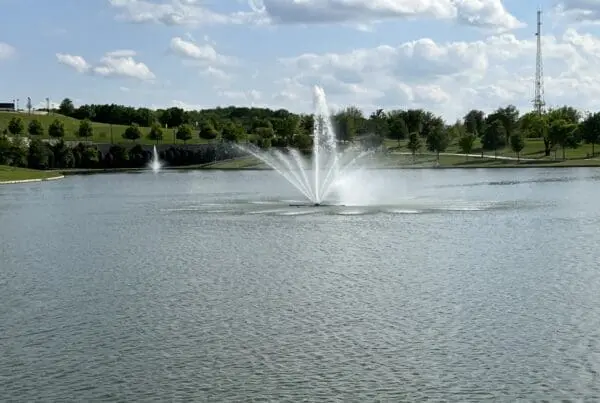
If the main issue is weak or missing surface movement, Fountain Freedom is often the most direct path to restoring healthy pond circulation. Fountain Freedom is our fountain installation and maintenance program, and it is specifically built to eliminate the stress of fountain ownership through fixed-cost service, professional management, and reliable uptime. Just as important, properly selected fountain systems improve circulation and oxygen transfer, which helps reduce stagnation and support a healthier pond.
If algae mats or aquatic weed growth are physically slowing the pond down, then circulation will not stabilize until that biological pressure is addressed too. That is where our Aquatic Weeds service comes in. We offer subscription-based aquatic weed management designed to reduce unexpected treatment costs and keep recurring overgrowth from taking over the pond again. In many stagnant ponds, restoring movement and controlling overgrowth have to happen together.
If the pond has become shallow, soft, or hydraulically compromised from accumulated sediment, DredgeSMART may be the right fix. Our DredgeSMART program includes hydrographic survey work and data-driven dredging planning so we can quantify sediment depth and volume before recommending removal. That matters because some ponds do not stay stagnant because they lack equipment. They stay stagnant because they have lost the depth and flow profile that once allowed the system to function.
In other words, stagnant pond water is not one problem with one universal solution. It is a warning sign. Our job is to determine whether the warning points to circulation failure, overgrowth, sediment, or all three, then solve the actual bottleneck. That is what we mean when we say PondMedics is DFW’s resource for complete pond and lake care.
The Best Fix Starts With The Real Cause
Stagnant pond water usually looks simple from the shoreline, but it is rarely simple underneath. A pond may need circulation support. It may need Fountain Freedom to keep water moving reliably. It may need Aquatic Weeds service to remove biological blockage. It may need DredgeSMART to recover lost depth and function. Most often, it needs a team that can tell the difference.
If your pond in Dallas, Fort Worth, or the surrounding North Texas area is showing signs of stagnation, contact PondMedics for a root-cause evaluation and a practical plan to restore healthy circulation. We are here to help you solve the real problem, not just manage the symptom.
FAQs
Can A Fountain Fix Stagnant Pond Water?
Sometimes, yes. If poor surface movement is the primary issue, a properly sized and maintained fountain can improve circulation and oxygenation significantly. That is exactly why PondMedics pairs fountain installation with the Fountain Freedom service model rather than treating a fountain like a one-time equipment drop.
When Do Aquatic Weeds Become A Circulation Problem?
Aquatic weeds become a circulation problem when growth starts trapping nutrients, slowing movement, covering key areas, or creating stagnant pockets that keep oxygen from moving through the pond effectively. PondMedics specifically identifies overgrowth as a condition that can overwhelm a pond’s ability to function well.
How Do I Know If My Pond Needs Dredging Instead Of Just Aeration?
If your pond has become noticeably shallower, softer with muck, or less effective even after circulation improvements, sediment may be the underlying problem. PondMedics uses DredgeSMART hydrographic survey data to measure sediment depth and volume before recommending dredging, which gives property owners a more accurate path forward.