Invasive pond weeds can turn a manageable pond or lake issue into a persistent headache faster than most property owners expect. How do you know when weeds have crossed the line from “normal plant growth” to a problem that needs professional help? The answer is simple: when weeds begin limiting access, spreading across open water, interfering with pond function, or returning after repeated short-term treatments, it is time to look beyond surface-level fixes.
At PondMedics, we help HOA communities, commercial properties, municipalities, and private pond owners across Dallas/Fort Worth, North Texas, and the South Central U.S. solve water-related issues with practical, engineered solutions. For invasive pond weeds, that solution starts with our Aquatic Weeds service. We do not guess, over-treat, or chase symptoms. We identify the issue, understand how it is behaving in your pond, and build a plan that fits your water.
Why Invasive Pond Weeds Become More Than A Visual Problem
A little aquatic vegetation is not automatically bad. Proper aquatic vegetation management begins with plant identification because many ponds contain more than one aquatic plant, and some plants can benefit wildlife.
The problem begins when unwanted plants spread beyond balance. Overabundant aquatic vegetation can limit recreational access, restrict flow, interfere with water uses, and harm fish and wildlife, especially when exotic species are involved. In Texas, nuisance species include hydrilla, water hyacinth, and giant salvinia.
That is why invasive pond weeds are not just “weeds in the water.” They are often a sign that sunlight, depth, nutrients, sediment, and plant biology are working together in a way that favors the wrong growth. When that happens, mowing around the edge, raking a small section, or applying a one-time product rarely solves the full problem.
How Do You Know If Pond Weeds Have Become Invasive?
Pond weeds may need professional attention when you notice one or more of these signs:
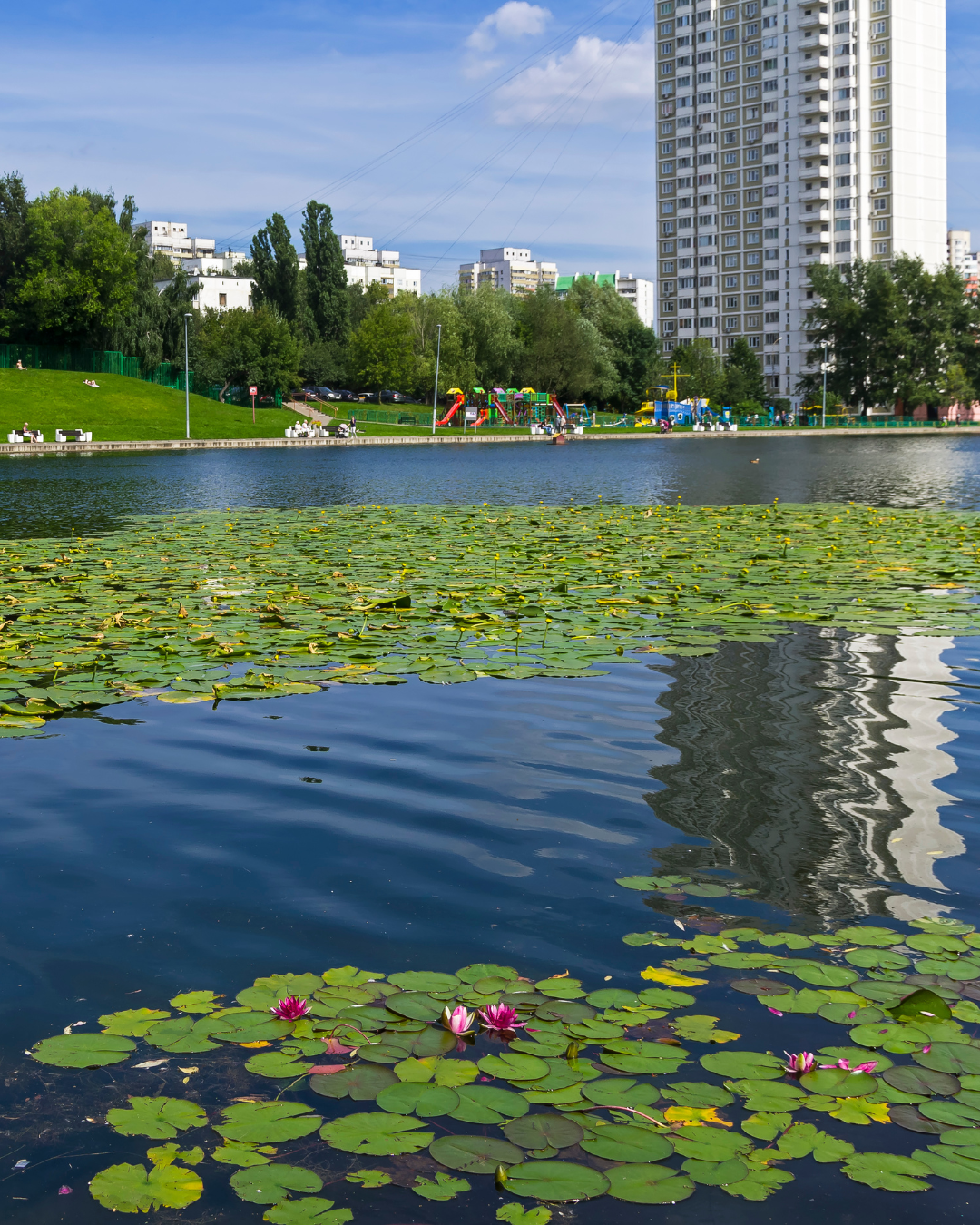
The growth spreads quickly after removal. The plants return in the same areas year after year. Mats form on the surface or thick beds grow below the waterline. Fishing, stormwater flow, fountain operation, or shoreline access becomes difficult. The pond looks smaller because vegetation has taken over usable water.
Some invasive plants grow aggressively. For example, Giant salvinia can double in about a week under the right circumstances, and dense mats can block sunlight while lowering oxygen levels as plant material dies and decomposes.
Not every DFW pond will have giant salvinia, hydrilla, or water hyacinth, but the lesson is the same: waiting usually makes the problem more expensive and harder to manage. Early action gives us more options.
Why The Right Identification Matters First
Aquatic weed removal works best when it begins with the right question: what are we actually treating?
Different aquatic weeds behave differently. Some float. Some root into the bottom. Some grow below the surface. Some spread through fragments, which means a poorly timed or poorly executed removal effort can accidentally help the plant move into new areas.
That is why our Aquatic Weeds service is designed around the specific pond, not a generic checklist. We look at the type of plant growth, where it is concentrated, how the pond is used, and what outcome the owner or property manager needs. A neighborhood detention pond in Frisco may need a different strategy than a commercial pond in Plano, a private lake in McKinney, or a municipal water body elsewhere in North Texas.
What Is The Best Way To Remove Invasive Pond Weeds From A Pond Or Lake?
The best way to remove invasive pond weeds is to match the method to the plant, the pond, and the long-term goal. In some situations, mechanical removal may be useful. In others, targeted treatment may be part of the plan. Sometimes the right answer is a staged approach that reduces the weed load without shocking the pond or creating a bigger cleanup issue.
At PondMedics, our work is not about selling a single method. It is about solving the problem in front of us.
Our Aquatic Weeds service gives property owners and managers a clearer path forward. We customize a solution for the site, then help reduce the stress of surprise treatments, repeated calls, and unclear next steps. PondMedics describes this service as fixed monthly cost, guaranteed success, and all-inclusive, with experts customizing a solution for each property.
That matters because aquatic weed removal is rarely a one-and-done task. Long-term control depends on consistency, timing, and an understanding of why the weeds are thriving.
Why DFW Ponds Need Local Experience
North Texas ponds face a different mix of pressures than ponds in other regions. Heat, stormwater inflow, shallow edges, fluctuating water levels, and heavy community use can all influence how quickly weeds spread and how visible the problem becomes.
PondMedics is based in the Dallas/Fort Worth area and serves the South Central U.S. and North Texas communities including Frisco, Plano, McKinney, Celina, Coppell, Denton, Cedar Hill, Sunnyvale, Benbrook, and Weatherford.
That local experience matters. A good aquatic weed plan should account for how DFW ponds are built, used, and maintained. The goal is not simply to make the weeds disappear for a few weeks. The goal is to restore function, reduce frustration, and create a plan the property can actually sustain.
A Better Path Forward For Weed-Choked Water
Invasive pond weeds do not improve by being ignored. They spread, frustrate residents, complicate maintenance, and make a pond feel like a liability instead of a resource.
The encouraging part is that the problem is solvable when it is handled with the right plan. PondMedics helps pond and lake owners move from uncertainty to action through our Aquatic Weeds service. We identify what is happening, build a site-specific solution, and take responsibility for helping your water work properly again.
For help with invasive pond weeds in DFW, North Texas, or the surrounding South Central U.S. region, contact PondMedics and ask about our Aquatic Weeds service.
FAQ
What Causes Invasive Pond Weeds To Take Over A Pond?
Invasive pond weeds often take over when conditions favor rapid plant growth, such as shallow water, excess organic material, abundant sunlight, and plants that spread easily. The specific cause depends on the pond and the plant species, which is why identification is the first step.
Can I Remove Pond Weeds Myself?
Small amounts of vegetation may be manageable, but invasive or recurring growth usually needs professional help. Some plants can spread through fragments, so incomplete removal can make the issue worse. A professional aquatic weed removal plan helps reduce that risk.
Does PondMedics Help With Aquatic Weed Removal In DFW?
Yes. PondMedics provides Aquatic Weeds service for ponds and lakes across Dallas/Fort Worth, North Texas, and the South Central U.S. Our team builds customized solutions for each property instead of relying on one-size-fits-all treatments.