Erosion control isn’t just about protecting the edges of your pond. It’s about preserving your investment, your landscape, and in some cases, your property value. If you’ve noticed the shoreline washing away, gullies forming after every rain, or sediment building up in the water, your pond is signaling that it needs help – and soon.
Pond erosion control is one of the most common and costly issues we see at PondMedics, especially in North Texas where heavy rain can turn a minor slope into a drainage disaster. The good news is that erosion control for ponds can be handled effectively with the right plan and materials. Here’s what’s typically going wrong and what actually works long term.
1. Shorelines are too steep or unprotected
Poor grading is one of the biggest contributors to erosion.
- Steep shorelines speed up runoff and make the soil unstable
- Exposed banks without plant roots or barriers wash away quickly
- Repeated storms deepen ruts and carry sediment into the pond
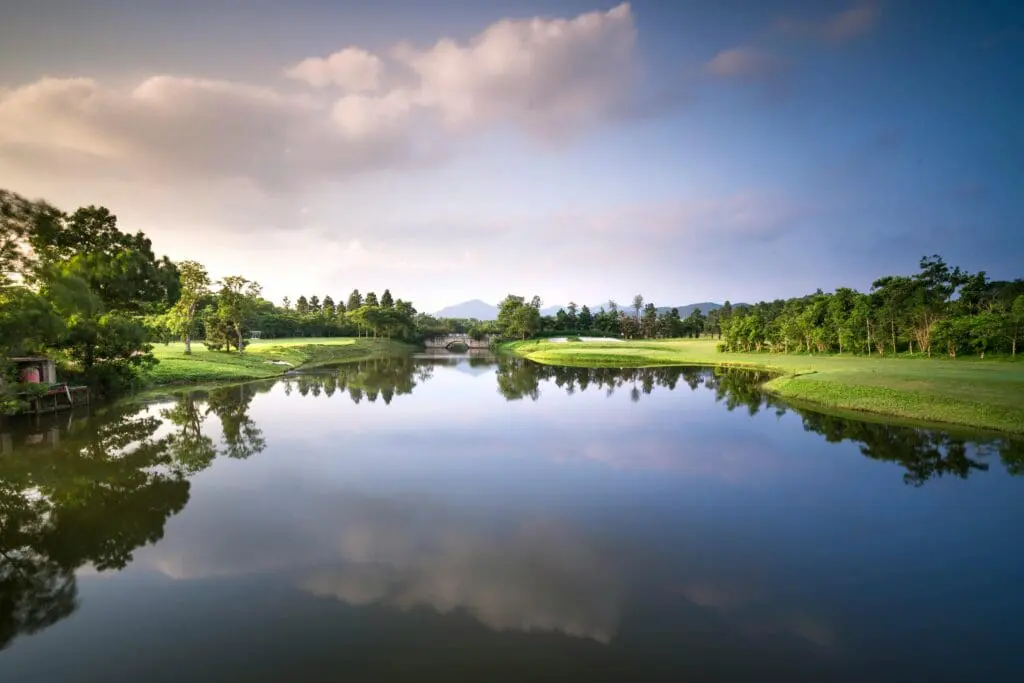
Pond erosion control starts with reshaping these slopes to slow down runoff. From there, adding soil stabilization blankets or vegetative buffers can give the shoreline a chance to hold together during storms. Without a physical or biological anchor, erosion will only get worse.
2. Erosion Control: Water flow is unmanaged
Where the water enters your pond (and how fast) matters.
- Outlets from storm drains or roof runoff dump high-volume water
- Splash zones create craters and weaken surrounding soil
- Lack of energy dissipation leads to scouring along the banks
3. Wave action and wind are breaking down the edges
Even without heavy rain, erosion control for ponds is still important.
- Wind-driven waves erode shorelines gradually over time
- Foot traffic or animals can disturb soft banks
- Boats or fountains create ripple zones that undercut edges
In these cases, we often recommend riprap (angular rock installed along the shore), or natural buffers that absorb wave energy. It’s about more than just holding the soil – it’s about creating a long-term boundary that works with water movement, not against it.
4. There’s no root system holding the soil together
Vegetation is one of the most underrated erosion control strategies.
- Healthy plant roots bind soil and reduce water’s impact
- Native grasses and wetland plants stabilize banks over time
- A lack of plant cover leads to fast breakdown and runoff
At PondMedics, we don’t just plant anything. We look at your site conditions and recommend native species that thrive in wet areas, stay low-maintenance, and build real root mass. It’s one of the simplest ways to improve pond erosion control and enhance the look of the shoreline.
5. The pond was never designed for durability
Some ponds just weren’t built with erosion control in mind.
Fixing these deeper issues may take more than a patch job. But we’ve helped many property owners repair failed shorelines through smart engineering, structural reinforcement, and long-term erosion control planning. It’s worth the investment – because if the banks fail, the pond itself won’t be far behind.
Erosion Control and Shoreline Stability Starts with a Plan
If erosion has already started, time is not on your side. But with the right mix of grading, redirection, reinforcement, and vegetation, you can stop the damage and restore your pond’s edge before it gets worse.
At PondMedics, we approach erosion control with real science. We’re not just putting in rocks and hoping they hold – we’re looking at slope angles, water volume, soil type, vegetation, and how your pond interacts with its surroundings. That’s what makes our pond erosion control work long after other fixes have failed.
Whether you’re dealing with minor wear or major collapse, we’re ready to help. Reach out and let’s build a shoreline that lasts.
FAQ’s:
How do I know if my pond needs erosion control?
Look for signs like soil loss, exposed roots, collapsing banks, or increased sediment in the water. Even small changes can signal bigger issues starting to form.
Is riprap the best solution for pond erosion control?
It depends. Riprap is great for high-impact areas, but softer options like vegetated buffers or geo-textile support may work better in low-traffic zones. The best fix usually combines multiple strategies.
How long does erosion control for ponds typically last?
With proper installation and maintenance, erosion control solutions can last 10-20 years or more. But the key is starting with the right design for your site.