Is the stormwater detention pond on your property causing more headaches than it’s solving? Perhaps you’re noticing persistent green water, unpleasant odors, or an explosion of weeds that make your retention pond look less like an asset and more like a liability. These common issues can detract from your property’s value and even pose environmental concerns. The good news is that a problematic retention pond doesn’t have to stay that way. With expert solutions and proactive management, PondMedics can transform your water feature into a healthy, functional, and aesthetically pleasing element of your landscape. This blog post will help you identify the telltale signs of a struggling retention pond, understand the root causes of these issues, and explore how PondMedics offers the specialized care needed to bring it back to life.
Understanding Your Retention Pond and Its Purpose
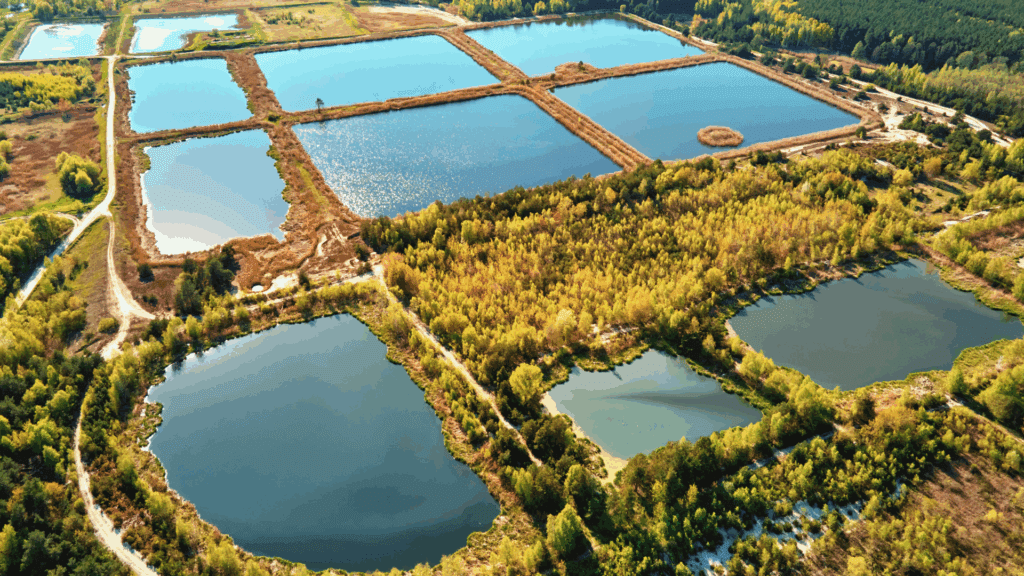
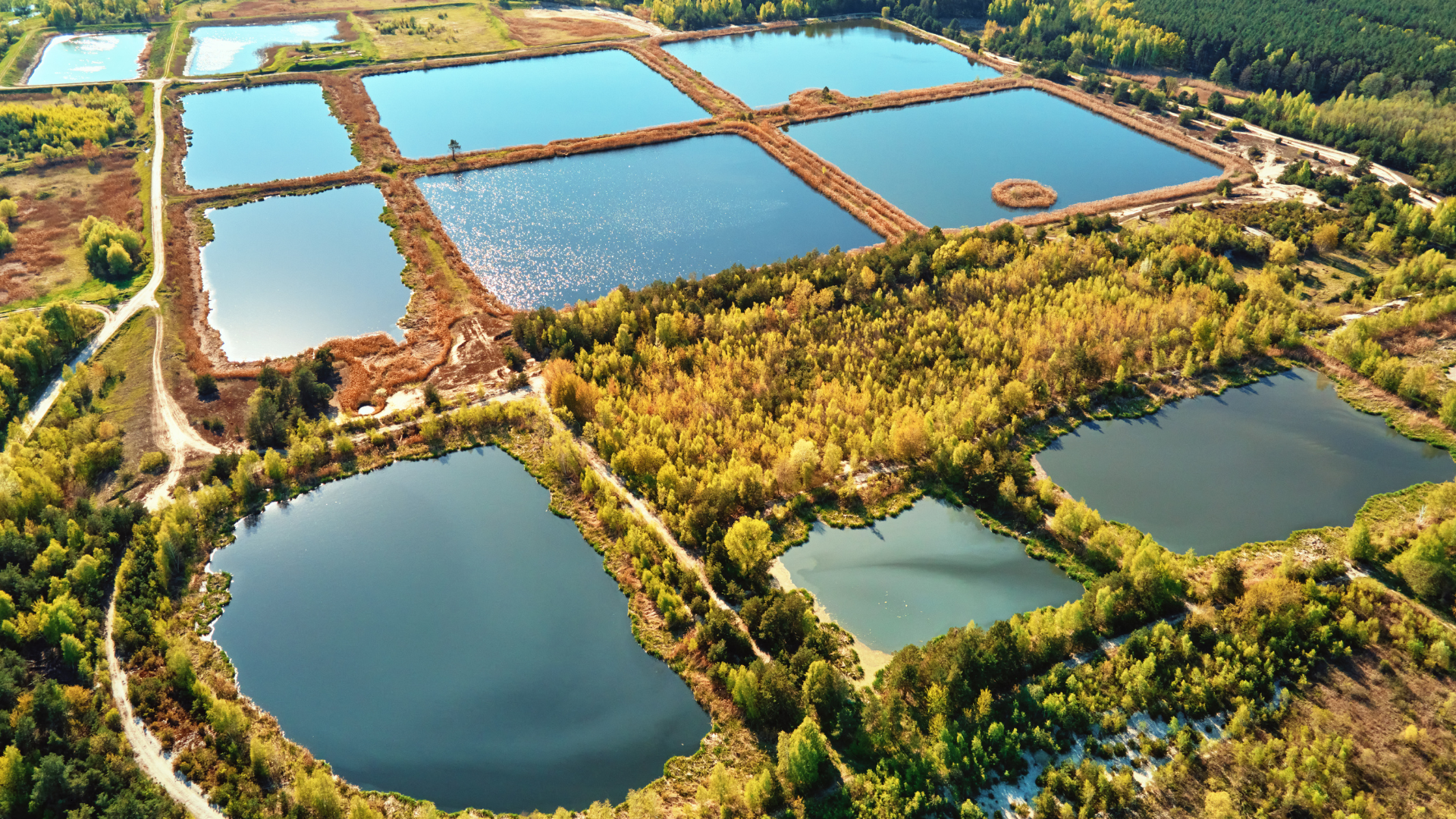
First, let’s clarify what a retention pond is and its essential function. Unlike a detention pond, which holds water temporarily and then releases it, a retention pond is designed to hold a permanent pool of water. Its primary purpose is crucial for stormwater management, capturing runoff from rainfall, controlling flooding, and filtering pollutants before they enter natural waterways. It serves as a vital infrastructure component for many residential and commercial developments.
However, despite their critical role, retention ponds can easily become problem areas if not properly managed. Here are some common signs that your retention pond might be struggling:
- Excessive algae blooms: Persistent green water, thick mats of string algae, or surface scum.
- Foul odors: Unpleasant, stagnant, or sulfur-like smells emanating from the water.
- Murky or discolored water: Water that is consistently cloudy, brown, or otherwise unappealing.
- Overgrown aquatic weeds or invasive vegetation: Rapid spread of plants that choke out beneficial species or cover the water’s surface.
- Erosion along banks: Deterioration of the pond’s edges, leading to steep, unstable slopes.
- Mosquito issues: A noticeable increase in mosquito populations around the pond.
- Reduced water holding capacity: The pond seems shallower than it should be, or fills up too quickly during rain events, often due to siltation or muck buildup.
- Fish kills or stressed aquatic life: Dead fish or signs of distress among fish and other aquatic inhabitants.
Common Problems Affecting Your Retention Pond
The issues you observe in your retention pond are usually symptoms of underlying problems. One of the most frequent culprits is nutrient overload. Runoff from surrounding landscapes, carrying fertilizers, decaying leaves, and other organic matter, introduces excess nutrients like nitrogen and phosphorus into the pond. These act as fuel, leading to rapid and uncontrolled growth of nuisance algae and aquatic weeds. Understand how excessive nutrients impact your pond.
Sedimentation and muck accumulation are also significant concerns. Over time, soil particles from erosion and decaying organic debris (like leaves and dead algae) settle at the bottom of the pond, forming a thick layer of muck. This reduces the pond’s depth, diminishes its water holding capacity, and can compromise its pollutant removal capabilities.
A lack of aeration often exacerbates many problems. Insufficient oxygen in the water leads to anaerobic conditions (without oxygen) at the pond bottom, promoting foul odors and hindering the breakdown of organic matter. Fish and other desirable aquatic life also struggle to survive in low-oxygen environments.
Invasive species, both plant and fish, can rapidly disrupt the delicate balance of an ecosystem. Non-native plants can outcompete beneficial native species, while invasive fish can overpopulate or disrupt the food web. Finally, erosion and bank instability can be caused by improper grading, heavy rainfall, or poor vegetation management, leading to unsightly banks and increased sedimentation.
PondMedics’ Expert Solutions for Your Retention Pond
At PondMedics, we specialize in transforming troubled retention ponds into healthy, vibrant water features. Our approach begins with a comprehensive assessment and diagnosis. We don’t just treat symptoms; we identify the root causes of your pond’s problems through detailed analysis.
Based on our findings, we implement targeted solutions. For algae and aquatic weed control, we utilize effective strategies that may include biological treatments (beneficial bacteria), environmentally responsible algaecides or herbicides, and mechanical removal when necessary. We focus on long-term control, not just temporary fixes.
To combat low oxygen levels and associated issues, we provide professional aeration system installation and maintenance. Proper aeration is a cornerstone of a healthy retention pond, improving water quality, supporting aquatic life, and reducing odors. For ponds suffering from reduced depth, we offer services for muck and sediment removal, helping to restore the pond’s original capacity and function. We also address erosion control and bank stabilization, often using natural methods to ensure long-term bank health.
Beyond these specific treatments, PondMedics also offers integrated pest management, including mosquito control strategies, to manage common nuisances holistically. For ongoing peace of mind, our routine maintenance programs ensure your retention pond remains healthy and beautiful year-round, preventing future problems before they escalate.
The Benefits of a Healthy, Well-Managed Retention Pond
Transforming your problematic retention pond yields significant benefits. A well-managed pond means enhanced functionality for its intended purpose: superior stormwater management and more effective pollutant filtration. It actively contributes to environmental health by improving the quality of runoff water.
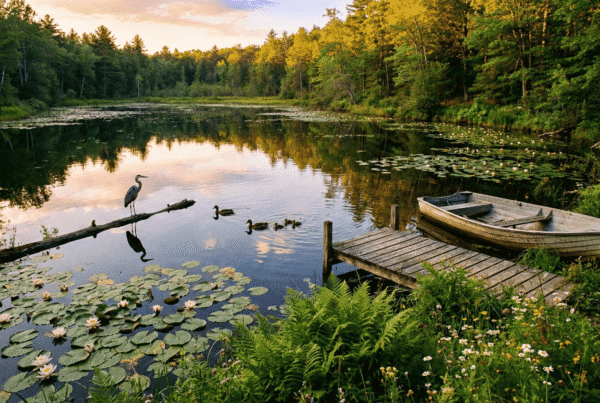
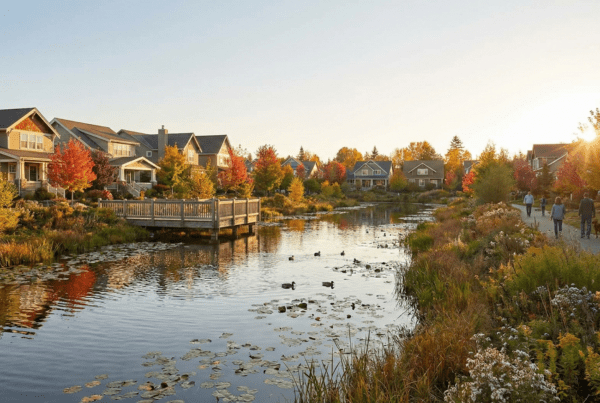
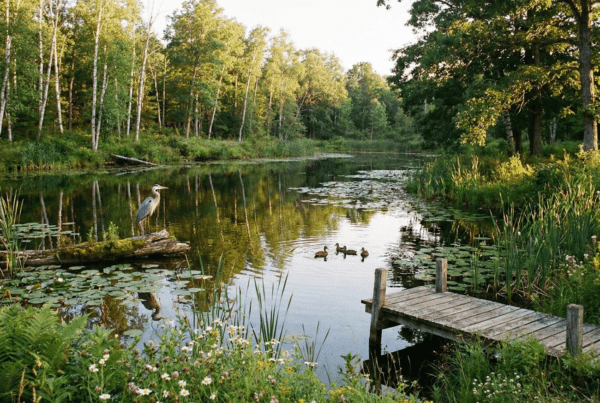
Beyond its functional role, a healthy retention pond dramatically enhances the aesthetic appeal of your property. It becomes a beautiful, clean water feature that adds value and enjoyment to the landscape, rather than being an eyesore. This improved aesthetic also supports ecological balance, providing a thriving habitat for native wildlife, including birds, amphibians, and beneficial insects.
Crucially, proactive management leads to reduced long-term costs and liabilities. By addressing issues early and maintaining the pond regularly, you prevent larger, more expensive problems like extensive dredging or major bank repairs. It’s an investment in the long-term health and value of your property.
Is Your Retention Pond a Problem Area? Contact PondMedics Today!
If your retention pond is showing signs of distress, it doesn’t have to be a permanent problem area. With expert care and tailored solutions, it can be transformed into a functional, beautiful, and ecologically balanced asset. Contact PondMedics today for a consultation and let us help you achieve a healthy, vibrant retention pond.