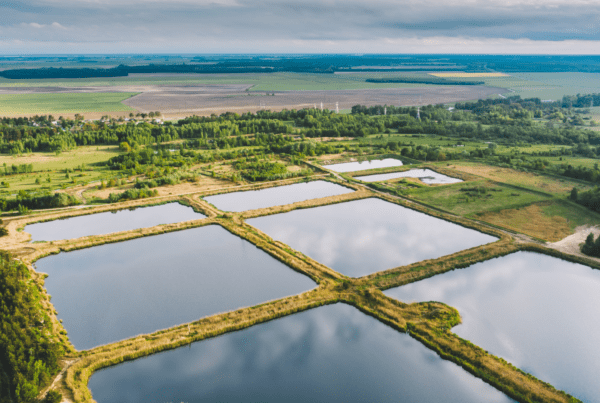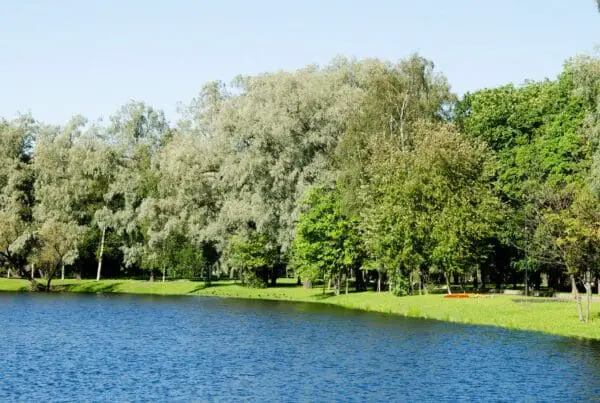

Texas, with its diverse landscapes and abundant water resources, is home to countless beautiful ponds. Whether you own a residential pond, a farm pond, or a commercial water feature, one thing you don’t want to neglect to maintain your pond’s health and beauty is proper pond management. Texas, read on to learn about the importance of pond management, understand common challenges faced by pond owners, and uncover the benefits of professional services.
Understanding Pond Management
Pond management involves a range of practices aimed at maintaining a healthy and balanced aquatic ecosystem. This includes addressing issues such as algae blooms, water quality concerns, and invasive species. By implementing effective management strategies, you can protect the aesthetic appeal of your pond, promote biodiversity, and create a suitable habitat for aquatic life.

Pond Management: Texas-Specific Challenges
Texas’ diverse climate and weather patterns present unique challenges for pond owners. Here are some key factors to consider:
High Temperatures
- Evaporation: Increased evaporation rates can lead to water loss and concentration of pollutants.
- Algae blooms: High temperatures can promote rapid algae growth, which can deplete oxygen levels and impair water quality.
- Fish stress: Extreme heat can stress fish and reduce their tolerance to diseases.
Fluctuating Rainfall
- Runoff: Heavy rainfall can increase nutrient runoff from surrounding areas, leading to algae blooms and water quality issues.
- Erosion: Intense storms can cause erosion of pond banks, leading to sedimentation and habitat loss.
- Droughts: Periods of drought can result in low water levels, reduced oxygen levels, and stress on aquatic life.
Seasonal Droughts
- Water scarcity: Droughts can lead to water shortages, affecting the health of aquatic plants and animals.
- Salinity: As water levels decline, salinity levels can increase, making the water unsuitable for many species.
- Sedimentation: Low water levels can expose pond bottoms to wind erosion, leading to increased sedimentation.
Invasive Species
Texas’ unique geographic location and climate make it particularly susceptible to invasive aquatic species. Ships, pet trade, ornamental plants, and recreational activities can introduce these harmful organisms. Once established, invasive species can outcompete native plants, prey on native wildlife, and disrupt aquatic ecosystems. Examples of problematic invasive species in Texas include hydrilla, salvinia, Asian carp, and lionfish. Controlling invasive species requires early detection, rapid response, and expert management. These species can:
- Outcompete native plants: Invasive plants can crowd out native vegetation, reducing biodiversity and oxygen levels.
- Predation: Invasive predators can prey on native fish and other aquatic organisms, disrupting the food chain.
- Habitat destruction: Invasive species can alter the physical structure of ponds, negatively impacting aquatic habitats.
Addressing these challenges requires a combination of careful planning, regular monitoring, and appropriate management strategies. Professional pond management services can provide expert guidance and solutions to ensure the health and vitality of your Texas pond.
Farm Pond Management and Other Services
To overcome these challenges and maintain a healthy pond, consider seeking professional pond management services. Experienced experts can provide tailored solutions to address your specific needs. Here are some key services offered by professional pond management companies:
- Water quality testing: Regular water testing helps identify potential problems, such as nutrient imbalances or excessive algae growth.
- Algae control: Professional companies employ various methods to control algae, including chemical treatments, biological controls, and physical removal.
- Aquatic weed control: Invasive aquatic weeds can negatively impact pond health. Experts can recommend appropriate methods to manage and control these plants.
- Pond aeration: Aeration systems increase dissolved oxygen levels, promoting healthy fish populations and preventing stagnant water conditions.
- Fish stocking and management: Balanced fish populations contribute to a healthy pond ecosystem. Professional services can help determine appropriate stocking rates and manage fish populations.
For Farm Ponds
In addition to the services listed above, professional pond management companies can also provide specialized services for farm ponds. These services may include:
- Nutrient management: Assessing and managing nutrient levels to prevent excessive algae growth and maintain water quality.
- Livestock waste management: Developing strategies to minimize the impact of livestock waste on pond ecosystems.
- Irrigation system optimization: Ensuring efficient water use for irrigation purposes while protecting pond health.
- Soil erosion control: Implementing measures to prevent soil erosion and sedimentation in farm ponds.
- Wildlife habitat management: Creating and maintaining suitable habitats for beneficial wildlife species.
Choosing the Right Texas Pond Management Company
When selecting a pond management company, it’s essential to consider factors such as their experience, certifications, and customer reviews. Look for companies that have a proven track record of success in addressing Texas-specific pond challenges. A reputable company should offer a wide range of services, including water quality testing, algae control, aquatic weed management, aeration, and fish stocking. Additionally, they should be able to tailor their services to meet your unique pond needs and goals.
Always remember to read customer reviews and testimonials, as they can provide valuable insights into the company’s reputation and the quality of their work. Don’t hesitate to ask for references or case studies to learn more about their experience and capabilities. Finally, ensure that the company has adequate insurance coverage to protect you in case of any accidents or damage. By carefully evaluating these factors, you can choose a pond management company that is well-equipped to maintain the health and beauty of your Texas pond.
Expert Tips for Pond Maintenance
In addition to utilizing professional services, there are several practical steps you can take to maintain the health of your pond. Regular maintenance is needed, which includes removing debris, controlling vegetation, and monitoring water quality on a regular basis. Preventive measures such as avoiding overfeeding fish, limiting fertilizer runoff, and protecting against invasive species can help prevent common pond problems. When deciding whether to handle certain tasks yourself or seek professional help, consider your expertise, the complexity of the task, and the potential impact on your pond’s health. By combining professional services with proactive self-care, you can ensure that your pond remains a vibrant and thriving ecosystem.
Pond Management: Texas Trusts PondMedics
Proper pond management is essential for maintaining a healthy and beautiful aquatic ecosystem in Texas. By understanding the unique challenges faced by pond owners and seeking professional services when needed, you can ensure that your pond remains a valuable asset to your property.To keep your pond healthy and beautiful, contact PondMedics today and learn how we can help.