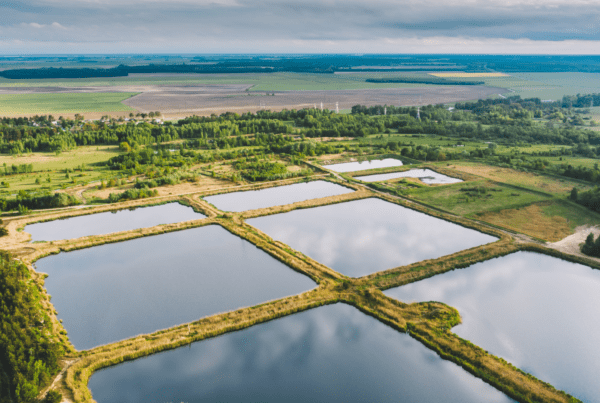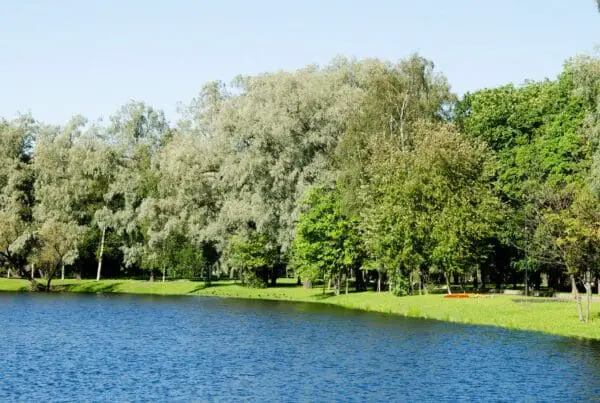
Shoreline restoration is not merely about enhancing the aesthetic appeal of your waterfront property; it’s a critical investment in safeguarding your land, structures, and the surrounding ecosystem from the relentless forces of erosion, flooding, and other natural hazards.
In this blog, we’ll explore the importance of shoreline restoration and how to go about it the right way.
Understanding the Erosion Threat
Shorelines are dynamic environments constantly shaped by the powerful forces of nature. Waves, currents, storms, and fluctuating water levels chip away at the land, gradually eroding the shoreline. Human activities, such as development, boat traffic, and the construction of hard structures like seawalls, can further accelerate this process. Ignoring shoreline erosion is not an option. Over time, it can lead to significant property damage, loss of valuable land, and the degradation of crucial habitats for fish, birds, and other wildlife.
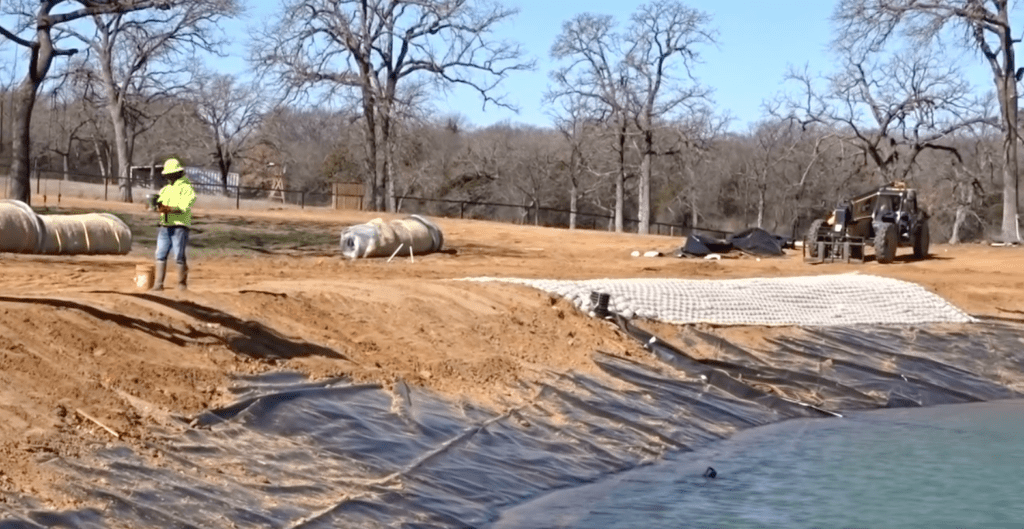
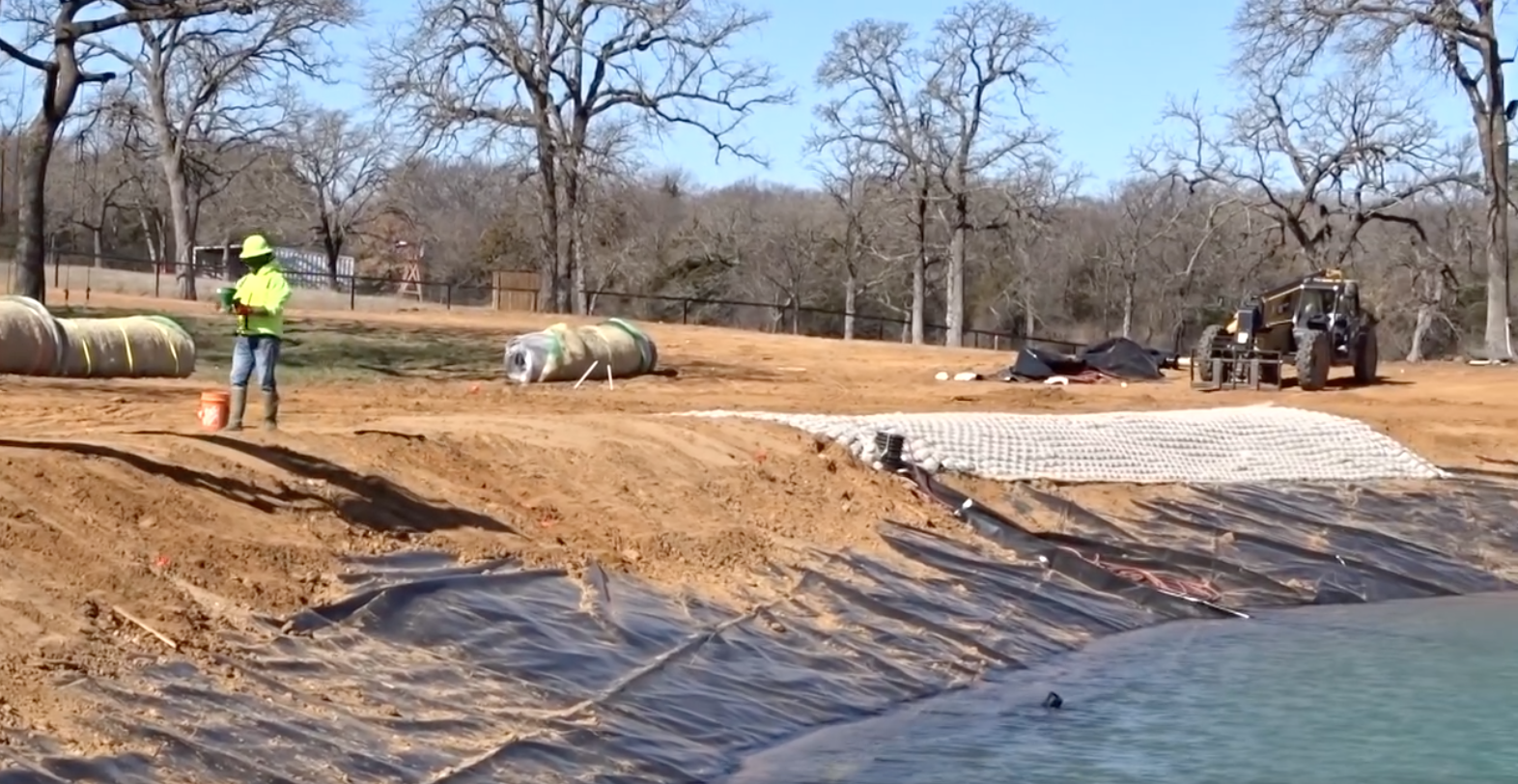
Shoreline Restoration Solutions
Fortunately, there are effective solutions to combat shoreline erosion and restore the natural balance. One approach is to utilize natural solutions, also known as “living shorelines.” This involves using native plants, rocks, sand, and other natural materials to create a resilient shoreline that can adapt to changing conditions. These living shorelines not only protect against erosion but also provide valuable habitat for wildlife and improve water quality.
In cases where immediate protection is needed, hard armor solutions like bulkheads and seawalls can be employed. These structures offer a sturdy barrier against wave action and erosion. However, it’s important to note that hard armor can have negative ecological impacts, such as disrupting natural sediment flow and reducing habitat diversity.
Hybrid approaches that combine natural and hard armor elements offer a balanced solution. These approaches can provide the necessary protection while minimizing environmental impact. For example, a living shoreline can be installed in front of a seawall to soften its impact and provide additional ecological benefits.
The Benefits of Shoreline Restoration
The advantages of shoreline restoration are numerous and far-reaching:
- Property Protection: Restored shorelines act as natural buffers, absorbing wave energy and reducing the risk of erosion, protecting valuable land and structures.
- Flood Mitigation: Natural shorelines can help mitigate flooding by dissipating wave energy and allowing water to infiltrate the ground.
- Habitat Restoration: Restored shorelines provide essential habitats for a variety of aquatic and terrestrial species, promoting biodiversity and ecological health.
- Water Quality Improvement: Plants and other natural elements in restored shorelines filter pollutants and excess nutrients from runoff, contributing to cleaner water and a healthier ecosystem.
- Aesthetic Enhancement: A restored shoreline not only functions well but also looks beautiful, enhancing the natural appeal of your property and creating a more enjoyable environment.
Steps to Effective Shoreline Restoration
A successful shoreline restoration project involves several key steps:
- Site Assessment: A thorough assessment of the shoreline is crucial to identify the causes and extent of erosion. This assessment will help determine the most appropriate restoration approach for your specific site.
- Permitting: Depending on the location and scope of your project, you may need to obtain permits from local, state, or federal agencies. It’s essential to work with qualified professionals who can guide you through the permitting process.
- Design and Implementation: Once the assessment and permitting are complete, the next step is to design and implement the restoration plan. This involves selecting appropriate materials, constructing any necessary structures, and planting native vegetation.
- Monitoring and Maintenance: Regular monitoring is essential to ensure the long-term success of the restoration project. This includes checking for signs of erosion, maintaining vegetation, and making any necessary adjustments to the restoration plan.
Choosing the Right Shoreline Restoration Approach for Your Property
There’s no one-size-fits-all solution for shoreline restoration. The most appropriate approach will depend on various factors, including:
- Goals and Priorities: What are your main goals for the restoration project? Are you primarily concerned with property protection, habitat restoration, or aesthetic enhancement?
- Environmental Considerations: It’s important to choose environmentally friendly solutions that prioritize the health of the ecosystem. This may involve using native plants, avoiding harsh chemicals, and minimizing disturbance to existing habitats.
- Aesthetics vs. Functionality: Striking a balance between aesthetics and functionality is key. Your restored shoreline should not only look beautiful but also effectively protect your property and the environment.
PondMedics: A Leader in Shoreline Restoration
Shoreline restoration is a worthwhile investment that offers numerous benefits for property owners, communities, and the environment. By taking proactive steps to protect your shoreline from erosion, you’re not only safeguarding your property but also contributing to a healthier and more resilient ecosystem.Don’t let erosion take a toll on your valuable waterfront property. Contact the experts at PondMedics today to learn more about our comprehensive shoreline restoration services. We’ll help you create a beautiful and resilient shoreline that will stand the test of time.