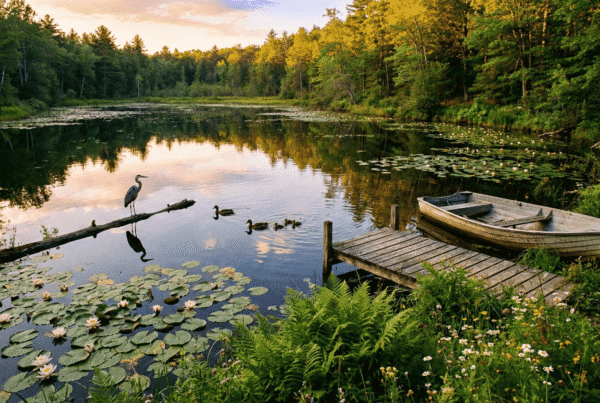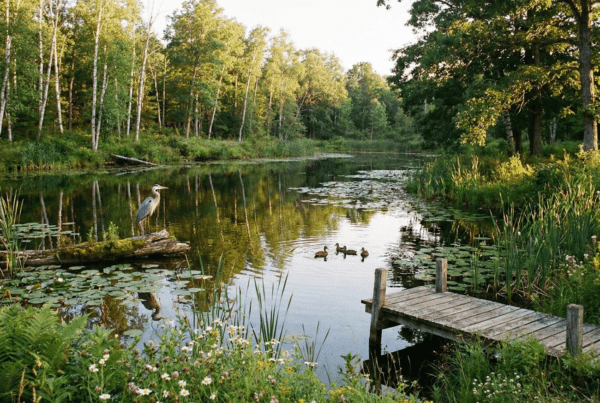
Imagine the serene beauty of your backyard transformed into a vibrant aquatic haven, teeming with life and color, thanks to carefully chosen water pond plants. More than just decorative additions, these living elements are the foundation of a healthy and thriving pond ecosystem. By thoughtfully selecting and arranging water pond plants, you can design a breathtaking aquatic garden that not only pleases the eye but also contributes significantly to water clarity and the well-being of your pond’s inhabitants. This blog post will guide you through the wonderful world of water pond plants, exploring their numerous benefits and offering practical tips for designing your own stunning and balanced aquatic paradise.
The Many Benefits of Incorporating Water Pond Plants
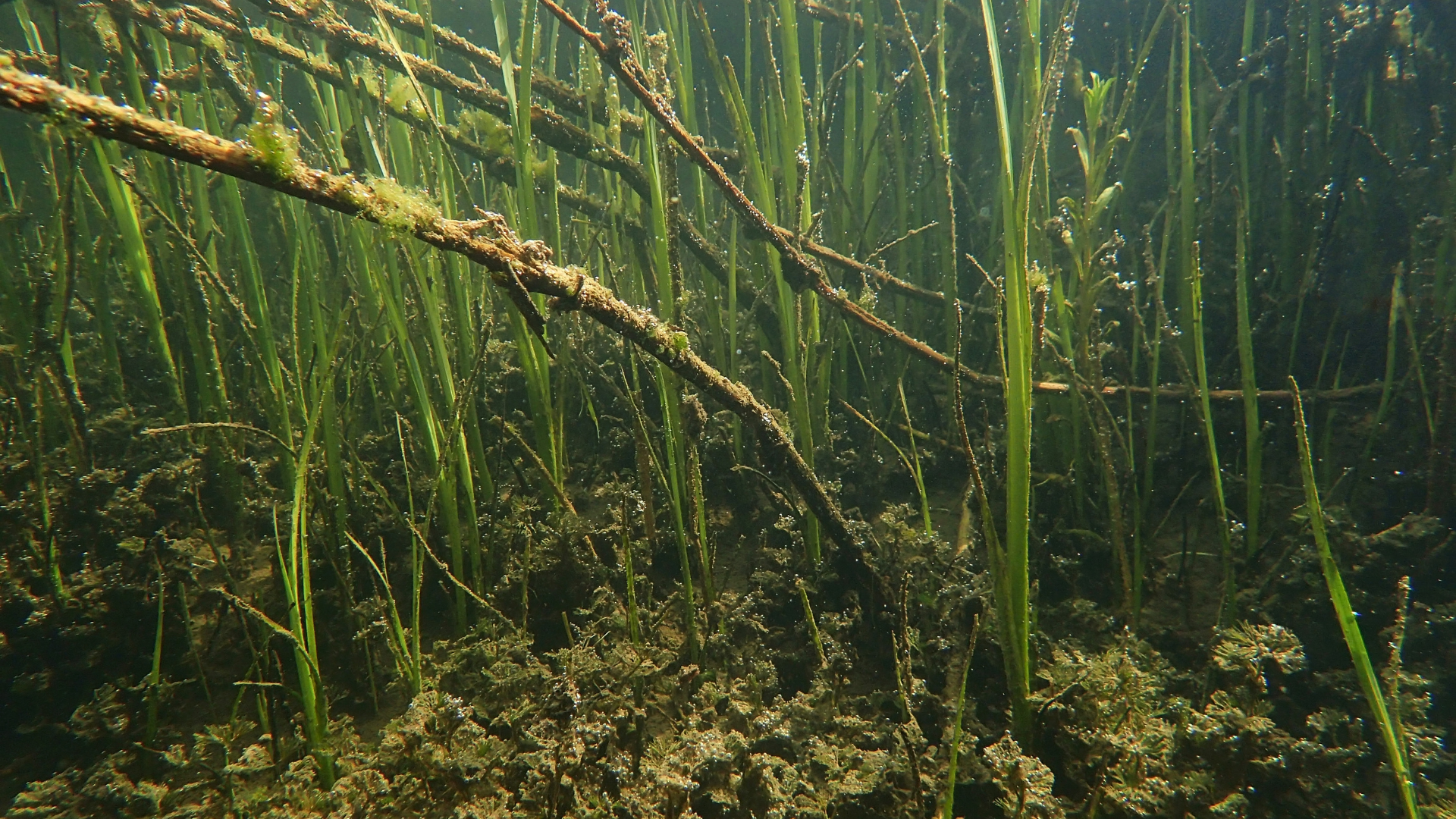
Introducing water pond plants into your aquatic ecosystem offers a wealth of advantages that go beyond mere aesthetics. These natural filters play a crucial role in maintaining water clarity. As they grow, they absorb excess nutrients like nitrates and phosphates from the water, which are often the primary food sources for algae. By reducing these nutrient levels, water pond plants help to prevent unsightly algae blooms, leading to clearer and healthier water.
Water pond plants are vital for oxygenating the pond water. Through the process of photosynthesis, they release oxygen into the water during daylight hours. This increased oxygen level is essential for the respiration of fish and other aquatic creatures, as well as for the beneficial aerobic bacteria that help to break down organic waste.
The presence of water pond plants creates a more natural and balanced habitat for wildlife. Their leaves and stems provide shelter and hiding places for fish, protecting them from predators and the harsh sun. They also serve as spawning grounds for some fish species and provide a substrate for beneficial microorganisms. Additionally, many water pond plants attract beneficial insects like dragonflies, which help to control mosquito populations around your pond.
Of course, the aesthetic enhancement that water pond plants bring to a pond is undeniable. Their diverse shapes, sizes, textures, and colors add beauty and visual interest to any backyard. From the delicate blooms of water lilies to the feathery foliage of submerged plants, they transform a simple water feature into a captivating aquatic garden.
Types of Water Pond Plants for Your Aquatic Garden
When designing your aquatic garden, it’s helpful to understand the different categories of water pond plants. Marginal plants, also known as bog plants, thrive in the shallow water around the edges of the pond. Examples include cattails, irises, rushes, and pickerelweed. They help to soften the transition between land and water and provide valuable habitat.
Submerged plants, often called oxygenators, live entirely underwater. These unsung heroes play a critical role in oxygenating the water and absorbing nutrients. Examples include anacharis (elodea), hornwort, and vallisneria. While they may not have showy flowers, their contribution to a healthy ecosystem is significant.
Floating-leaved plants have their roots in the soil at the bottom of the pond, but their leaves and often their flowers float on the water’s surface. Water lilies and lotus are classic examples, offering stunning blooms and providing shade that helps to control algae growth and regulate water temperature.
Free-floating plants are not rooted in the soil and drift freely on the surface. Examples include water hyacinth and water lettuce. They can provide shade and absorb nutrients rapidly but can also spread quickly and may need to be managed to prevent overcrowding. Consider your local climate and regulations regarding these plants, as some can be invasive in certain areas.
Designing Your Aquatic Garden with Water Pond Plants
Careful planning is essential when designing your aquatic garden with water pond plants. Consider the size and depth of your pond, as different plants have different water depth requirements. Marginal plants need shallow shelves, while submerged plants need to be fully underwater, and floating-leaved plants need enough depth for their roots.
Creating layers of plants will enhance visual interest. Use taller marginal plants at the back or sides, mid-height floating-leaved plants in the center, and smaller free-floating plants to fill in spaces. This creates a natural and appealing look.
It’s important to balance plant growth to prevent overcrowding. While a lush garden is desirable, too many plants can compete for resources and reduce oxygen levels at night. Research the mature size of each plant and provide adequate spacing during planting. Regular pruning may also be necessary to manage growth.
Finally, consider the light conditions in your backyard. Some water pond plants thrive in full sun, while others prefer partial shade. Choose plants that are well-suited to the amount of sunlight your pond receives to ensure their healthy growth and flowering.
Caring for Your Water Pond Plants for a Thriving Garden
Proper care will ensure your water pond plants thrive and continue to benefit your aquatic garden. When planting new plants, follow specific instructions for each type, ensuring they are placed at the correct depth and have appropriate substrate if needed.
While established water pond plants often obtain sufficient nutrients from the pond environment, occasional fertilization with aquatic-specific fertilizers may be beneficial, especially for flowering plants. Follow product instructions carefully to avoid over-fertilizing, which can harm water quality.
Regular pruning and maintenance are essential. Remove dead or yellowing leaves and trim back overgrown plants to maintain a healthy balance and prevent excessive organic matter buildup.
Winter care for water pond plants varies depending on the species and your climate. Hardy marginal and submerged plants can usually overwinter in the pond. Floating-leaved plants like water lilies may need to have their tubers submerged deep enough to avoid freezing. Tropical free-floating plants typically cannot survive freezing temperatures and may need to be brought indoors or treated as annuals.
PondMedics Can Help You Choose Your Pond Plants
Designing a thriving aquatic garden with water pond plants is a rewarding endeavor that brings both beauty and ecological benefits to your backyard. By carefully selecting a variety of water pond plants and providing them with the right conditions and care, you can create a stunning and balanced ecosystem that you can enjoy for years to come. Contact PondMedics today for expert advice and assistance in choosing the perfect water pond plants to transform your pond into a flourishing aquatic paradise.