
Proper water flow is critical for the success of any irrigation system. Whether you’re irrigating a farm, a golf course, or a residential landscape, selecting and installing the right irrigation lake pump is paramount. The wrong pump can lead to insufficient water pressure, inefficient water delivery, and even damage to the pump itself.
Let’s explore the key factors to consider when selecting and installing an irrigation lake pump, ensuring optimal water flow and efficient operation of your irrigation system.
Factors to Consider When Selecting an Irrigation Lake Pump
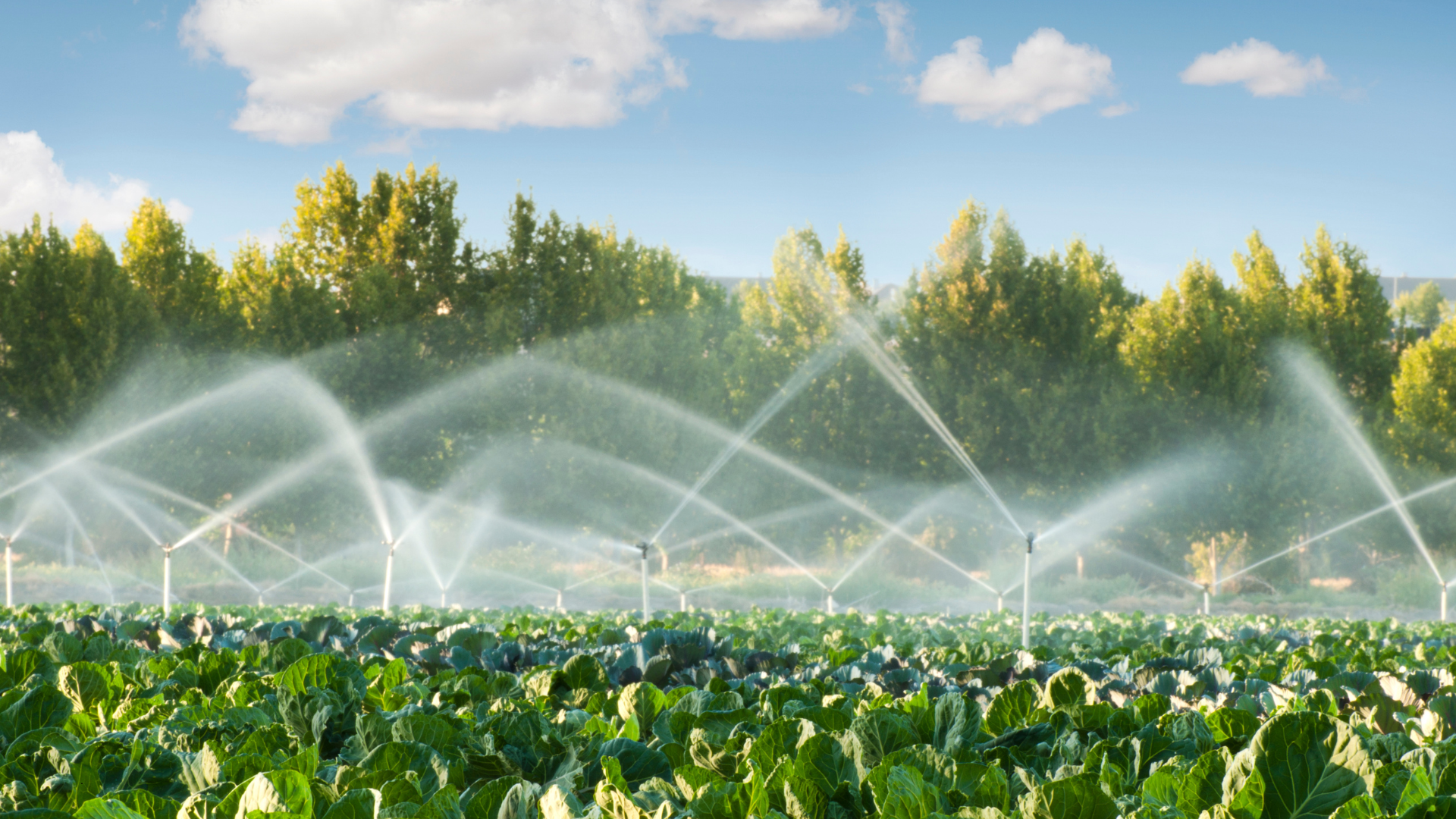
Several factors must be considered when selecting an irrigation lake pump:
Flow Rate and Head Pressure:
- Flow Rate: This refers to the volume of water the pump can deliver over a specific period (e.g., gallons per minute or gallons per hour). The required flow rate will vary depending on the size of the area to be irrigated, the type of irrigation system (sprinklers, drip irrigation), and the desired application rate.
- Head Pressure: Head pressure refers to the ability of the pump to lift and deliver water to the desired height. It is influenced by factors such as the distance the water needs to be pumped, the elevation difference between the pump and the highest point of the irrigation system, and the presence of any restrictions in the piping system.
Pump Type:
- Submersible Pumps: These pumps are submerged directly in the water source and are ideal for deep wells or lakes. They are known for their quiet operation and efficient performance.
- Centrifugal Pumps: These pumps are commonly used in irrigation systems due to their versatility and ability to handle a wide range of flow rates and pressures. They are available in various configurations, including horizontal and vertical shaft pumps.
Horsepower:
The horsepower of a pump determines its power output and capacity. A higher horsepower pump can deliver more water at higher pressures but also consumes more energy. It’s crucial to select a pump with sufficient horsepower to meet the demands of your irrigation system while minimizing energy costs.
Materials and Durability:
Select pumps constructed from durable materials such as stainless steel or bronze to withstand the corrosive effects of water and ensure long-term performance.
Proper Installation of Irrigation Lake Pump Systems
Proper installation is necessary for the efficient and reliable operation of your irrigation lake pump system.
Importance of Professional Installation:
Hiring qualified professionals for installation offers several key advantages. Experienced installers possess the knowledge and expertise to:
- Properly size and select the appropriate pump: Based on your specific needs and the characteristics of your water source.
- Design and install the suction line: Ensure proper suction line design to prevent air intake and maximize pump efficiency.
- Properly place and secure the pump: Ensure the pump is securely installed and positioned for optimal performance and easy maintenance.
- Install discharge piping: Design and install the discharge piping system to efficiently deliver water to the irrigation system.
Key Considerations:
- Pump Placement: Proper pump placement is important to minimize suction losses and ensure efficient operation.
- Suction Line Design: The suction line must be properly sized and installed to prevent air intake and ensure adequate water flow to the pump.
- Discharge Piping: The discharge piping system must be properly sized and installed to deliver water efficiently to the irrigation system while minimizing pressure losses.
Preventing Issues:
Proper installation can help prevent issues such as cavitation, which occurs when the water pressure within the pump drops below the vapor pressure of the water, leading to the formation of vapor bubbles. Cavitation can damage the pump and reduce its efficiency.
By carefully considering these factors and engaging professional installation services, you can ensure that your irrigation lake pump system operates efficiently and effectively, delivering the water your landscape needs.
Maintaining Your Irrigation Lake Pump System
Regular maintenance is key for ensuring the long-term performance and longevity of your irrigation lake pump system. Conducting regular inspections of the pump and associated components, such as pipes and valves, is essential to identify any potential problems early on. This includes regularly cleaning the pump intake screen to prevent debris from clogging the pump, inspecting and cleaning the pump impeller and other internal components as recommended by the manufacturer, and lubricating moving parts as needed.
Additionally, monitoring the performance of the irrigation system and adjusting settings as needed to ensure optimal water delivery is vital. By implementing a regular maintenance schedule, you can prevent costly repairs, prolong the lifespan of your pump, and ensure that your irrigation system operates efficiently and effectively for years to come.
PondMedics: A Trusted Provider of Irrigation Lake Pump Solutions
PondMedics offers a comprehensive range of services related to irrigation lake pump systems, ensuring that your system is installed, maintained, and operates at peak performance. Our experts can help you select the right pump for your specific irrigation needs, considering factors such as flow rate, head pressure, and your budget.
We provide professional installation services, ensuring proper placement, sizing, and integration of the pump within your system. Our ongoing maintenance services include regular inspections, cleaning, and repairs to keep your system running smoothly. By partnering with PondMedics, you can ensure that your irrigation lake pump system is installed and maintained by experienced professionals, providing you with years of reliable and efficient water delivery.
Contact us today to learn more about our irrigation lake pump solutions and how we can help you optimize water flow for your specific needs.